How Do You Finance a Mixed-Use Property?
Summary
Mixed-use properties require specialized financing that accounts for multiple income streams and property types. The team at Brightbridge Realty Capital provides DSCR loans and bridge financing tailored to these complex investments, focusing on cash flow rather than personal income.
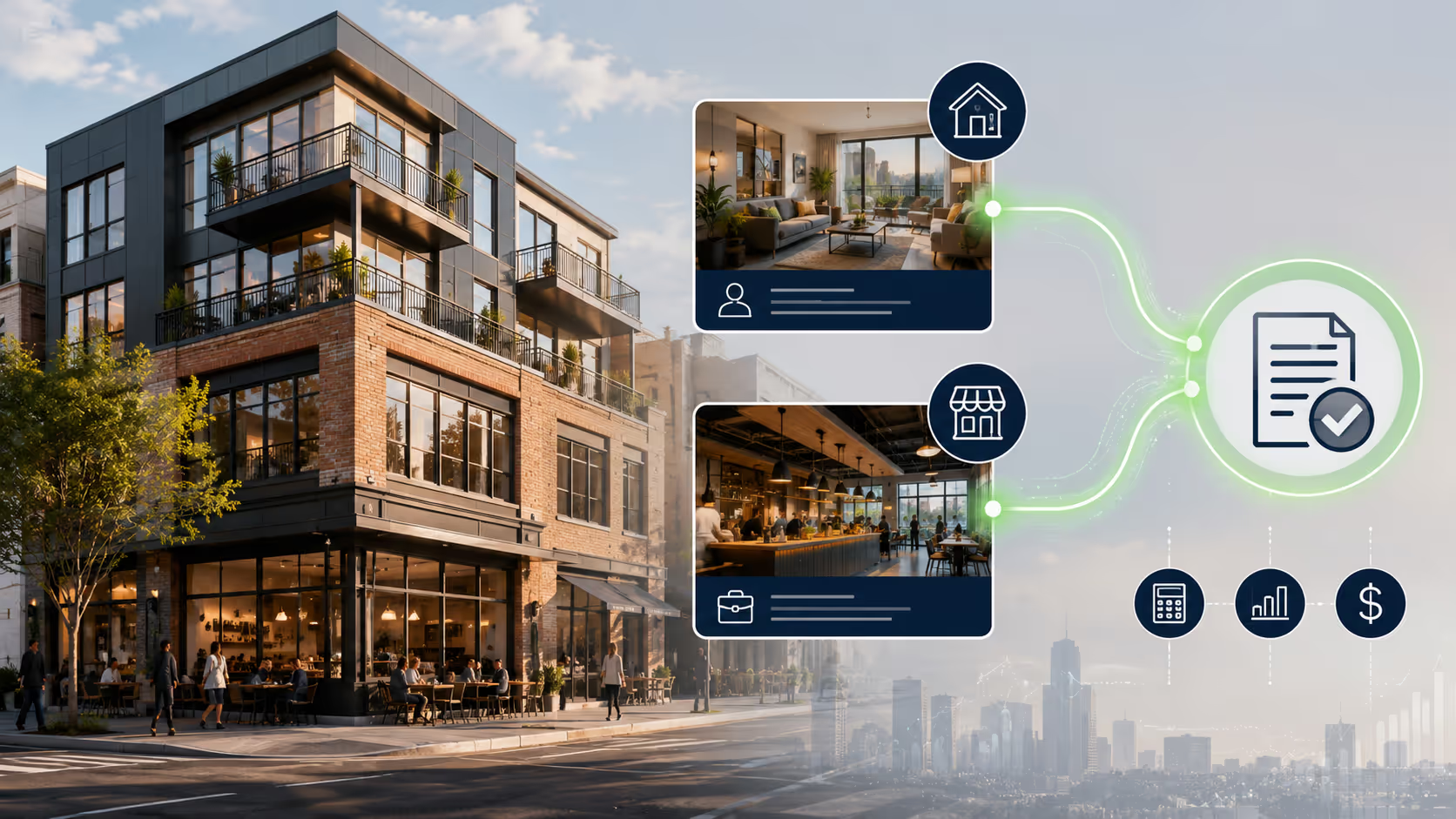
Mixed-use properties represent some of the most compelling investment opportunities in today's market, combining residential and commercial income streams in a single asset. However, financing these properties presents unique challenges that traditional lenders often struggle to navigate effectively. The complexity of evaluating multiple property types, income sources, and tenant categories requires specialized expertise that most conventional banks simply don't possess.
Smart investors recognize that mixed-use properties offer diversification benefits and multiple exit strategies, but they also understand that securing the right financing can make or break a deal. The key lies in working with lenders who truly understand the nuances of mixed-use investments and can structure loans that reflect the property's actual income potential. Rather than forcing these unique assets into cookie-cutter lending products, specialized lenders evaluate each property based on its specific cash flow characteristics and market position.
The financing landscape for mixed-use properties has evolved significantly, with innovative loan products emerging to meet investor demand. Today's sophisticated investors need partners who can move quickly, understand complex deal structures, and provide flexible terms that align with investment strategies. The right financing approach can unlock the full potential of mixed-use investments, while the wrong one can create unnecessary constraints that limit returns and growth opportunities.
Understanding Mixed-Use Property Financing Options
Traditional bank financing often falls short when it comes to mixed-use properties because these assets don't fit neatly into standard lending categories. Banks typically prefer straightforward residential or commercial properties, and they struggle with the complexity of analyzing multiple income streams, diverse tenant types, and varying lease structures within a single asset. The underwriting process becomes cumbersome and time-consuming, often resulting in conservative loan terms or outright rejections for perfectly viable investments.
DSCR (Debt Service Coverage Ratio) loans have emerged as the preferred financing solution for mixed-use properties because they focus on the property's cash flow rather than the borrower's personal income. This approach makes perfect sense for mixed-use investments, where the property's ability to generate sufficient income to service the debt is the primary consideration. The team at Brightbridge Realty Capital specializes in DSCR loans specifically because they recognize that cash-flowing properties should be evaluated based on their performance, not the borrower's W-2 income or tax returns.
Bridge financing also plays a crucial role in mixed-use property investments, particularly when properties need repositioning, renovation, or lease-up to reach their full potential. Many mixed-use opportunities come with below-market rents, vacant spaces, or deferred maintenance that can be addressed to significantly increase the property's value and cash flow. Bridge loans provide the capital and flexibility needed to execute these value-add strategies while positioning the property for long-term refinancing once stabilized.
Key advantages of specialized mixed-use financing include:
- Cash flow focus: Lenders evaluate the property's income-generating ability rather than getting bogged down in personal financial documentation
- Faster closing timelines: Streamlined underwriting processes that understand mixed-use complexities can close loans in weeks rather than months
- Flexible terms: Loan structures that accommodate the unique characteristics of mixed-use properties, including varying lease terms and tenant types
- Value-add financing: Bridge options that provide capital for improvements and repositioning strategies that maximize property potential
The right lender will also understand the seasonal variations and tenant mix considerations that affect mixed-use properties. Retail spaces may have different peak seasons than residential units, and office spaces might have longer lease terms than apartment units. These factors all influence cash flow patterns and should be reflected in the loan structure and analysis. Sophisticated lenders price these considerations appropriately rather than applying blanket risk premiums that don't reflect the actual investment profile.
Working with experienced mixed-use lenders also provides access to market intelligence and deal structuring expertise that can improve investment outcomes. These lenders see numerous mixed-use transactions and can provide insights into market trends, tenant mix optimization, and exit strategies that benefit investors throughout the ownership period.
Key Factors Lenders Evaluate for Mixed-Use Properties
The underwriting process for mixed-use properties requires a more nuanced approach than single-use properties because lenders must evaluate multiple property types and income streams simultaneously. Income stability becomes a critical factor, as lenders analyze the diversification benefits of mixed-use properties while also considering the complexity of managing different tenant types and lease structures. The percentage split between residential and commercial space significantly impacts both the loan terms and the overall risk profile of the investment.
Location analysis takes on added importance for mixed-use properties because the success of different property types can vary dramatically within the same market. A location that's excellent for retail might be mediocre for office space, or a strong residential market might not support the commercial components of the property. Experienced lenders understand these nuances and evaluate each component of the property based on relevant market conditions and demographics. The experts at Brightbridge Realty Capital have developed sophisticated analysis methods that account for these varying market dynamics within a single property evaluation.
Property condition and configuration also play crucial roles in the underwriting process, as mixed-use properties often have unique layouts and systems that serve different tenant types. The ability to separately meter utilities, provide appropriate access for different uses, and maintain clear separation between residential and commercial spaces all impact both the property's appeal to tenants and its long-term operational efficiency. Lenders must also consider the complexity of property management and maintenance when multiple property types are involved.
Critical evaluation factors include:
- Income diversification: The balance and stability of income streams from different property types and how they complement each other
- Market positioning: How well the property's mix of uses aligns with local market demand and demographic trends
- Physical configuration: The property's layout, systems, and infrastructure's ability to efficiently serve multiple use types
- Management complexity: The borrower's ability to effectively manage diverse tenant types and property components
The regulatory environment adds another layer of complexity to mixed-use property evaluation, as different jurisdictions may have varying zoning requirements, building codes, and operational restrictions for mixed-use properties. Some areas actively encourage mixed-use development while others have restrictive policies that can limit operational flexibility or future development potential. Lenders must understand these regulatory factors and how they impact both current operations and future value.
Tenant quality and lease analysis become more complex with mixed-use properties because different types of tenants have varying creditworthiness standards, lease terms, and risk profiles. Residential tenants typically have shorter lease terms but more predictable turnover patterns, while commercial tenants may have longer leases but higher credit requirements. The interplay between different tenant types can either enhance or detract from the overall stability of the property's income stream.
Structuring the Right Loan for Your Mixed-Use Investment
Loan structure flexibility becomes essential when financing mixed-use properties because these investments often require customized approaches that reflect the unique characteristics of each asset. Standard loan products rarely accommodate the complexity of mixed-use properties effectively, which is why investors need lenders who can structure terms that align with the property's specific cash flow patterns and investment timeline. The ability to adjust loan terms based on the property's performance and market conditions can significantly impact the investment's success.
Interest rate structures for mixed-use properties should reflect the actual risk profile of the investment rather than applying generic risk premiums that don't account for income diversification benefits. Properties with stable, diversified income streams may actually present lower risk than single-use properties that depend entirely on one market segment. Sophisticated lenders recognize this and price loans accordingly, providing better terms for well-positioned mixed-use investments. BBRC founder Zak Fouladi has built his lending approach around this principle, recognizing that blanket risk assumptions often penalize strong mixed-use investments unfairly.
Loan-to-value ratios for mixed-use properties require careful consideration of how different property types are valued and how they contribute to the overall asset value. The valuation process itself becomes more complex because appraisers must consider multiple approaches and market segments when determining property value. Lenders who understand this complexity can provide appropriate loan amounts that reflect the property's true value rather than applying conservative assumptions that leave money on the table.
Optimal loan structuring considerations include:
- Payment structure: Matching loan payments to the property's cash flow patterns and seasonal variations
- Prepayment flexibility: Terms that allow for refinancing or sale when market conditions or property performance warrant changes
- Reserve requirements: Appropriate reserves that account for the complexity of mixed-use property management without being excessive
- Recourse terms: Clear understanding of personal guarantees and recourse provisions that align with the investment's risk profile
The timing of loan funding can also be crucial for mixed-use properties, particularly when acquisitions are competitive or when value-add strategies require quick execution. Bridge financing often provides the speed and flexibility needed to secure attractive mixed-use properties, with the option to refinance into longer-term debt once the property is stabilized. This two-step approach allows investors to move quickly on opportunities while ultimately securing optimal long-term financing.
Cross-default provisions and portfolio considerations become important when investors own multiple mixed-use properties or when the mixed-use property is part of a larger real estate portfolio. Experienced lenders understand how to structure loans that protect both the lender and borrower while providing appropriate flexibility for portfolio management and growth strategies. The goal is creating loan structures that support the investor's business objectives rather than creating unnecessary constraints.
FAQs
What down payment is typically required for mixed-use properties?
Down payment requirements for mixed-use properties typically range from 20% to 30%, depending on the lender, property type, and borrower qualifications. The team at Brightbridge Realty Capital evaluates each property individually, often providing more favorable terms for well-positioned mixed-use investments with strong cash flow. Bridge financing may require higher down payments (25-35%) but provides faster closing and more flexibility for value-add strategies. The exact down payment will depend on factors like property condition, location, tenant quality, and the borrower's experience with mixed-use properties.
How do lenders calculate debt service coverage for mixed-use properties?
Lenders calculate debt service coverage by analyzing the net operating income from all property components - residential, retail, office, or other uses - and dividing that by the total debt service. Brightbridge Realty Capital's approach involves sophisticated analysis of different income streams, considering factors like lease terms, tenant stability, and seasonal variations. Most mixed-use DSCR loans require coverage ratios of 1.20 to 1.25, meaning the property generates 20-25% more income than needed to service the debt. The calculation includes vacancy allowances and operating expenses specific to each property type within the mixed-use asset.
What are the main challenges in getting mixed-use property financing?
The primary challenges include finding lenders who understand mixed-use complexities, longer underwriting timelines due to property complexity, and higher interest rates compared to single-use properties. Many traditional banks lack expertise in evaluating multiple property types simultaneously. The loan experts at Brightbridge Realty Capital have addressed these challenges by developing specialized underwriting processes that streamline approvals while properly evaluating mixed-use assets. Other challenges include complex appraisals, regulatory compliance across different property uses, and demonstrating management experience with diverse tenant types. Working with experienced mixed-use lenders eliminates most of these obstacles.
Can you use a DSCR loan for mixed-use properties?
Yes, DSCR loans are actually ideal for mixed-use properties because they focus on the property's cash flow rather than personal income documentation. Experts at Brightbridge Realty Capital prefer DSCR loans for mixed-use investments because they properly evaluate the property's income-generating ability across all use types. DSCR loans typically offer faster closings, less documentation requirements, and terms that reflect the property's actual performance. The key is working with lenders who understand how to analyze mixed income streams and structure loans that accommodate the unique characteristics of mixed-use properties while providing competitive rates and terms.
What interest rates can I expect for mixed-use property loans?
Interest rates for mixed-use properties typically range from 0.50% to 1.50% higher than single-family rental properties, depending on the property's complexity, location, and cash flow stability. Fouladi and his team of loan experts at Brightbridge Realty Capital work to minimize rate premiums by properly underwriting the diversification benefits of mixed-use properties. Well-positioned mixed-use properties with strong cash flow and experienced management can qualify for rates closer to traditional investment property loans. Bridge financing rates may be higher initially but provide flexibility for value-add strategies that can justify the temporary rate premium through improved property performance.
How long does it take to close a mixed-use property loan?
Mixed-use property loans typically take 30-45 days to close with experienced lenders, though traditional banks may require 60-90 days due to their complex approval processes. The team at Brightbridge Realty Capital has streamlined mixed-use underwriting to close most loans within 3-4 weeks by understanding the key evaluation factors and having established processes for complex properties. Bridge loans can often close in 2-3 weeks when speed is essential. The timeline depends on factors like property complexity, appraisal requirements, and borrower responsiveness, but working with specialized lenders significantly reduces closing times compared to conventional financing sources.
What documentation is needed for mixed-use property financing?
Required documentation includes rent rolls for all property types, operating statements showing income and expenses by use category, lease agreements, property tax records, insurance information, and property condition reports. Partners in real estate loans at Brightbridge Realty Capital require less personal financial documentation for DSCR loans, focusing instead on property performance and borrower experience. Additional items may include management agreements, utility bills, capital expenditure records, and market analysis for each property component. The key is providing clear financial documentation that demonstrates the property's cash flow stability and the borrower's ability to manage mixed-use investments effectively.
Should I use bridge financing or permanent financing for mixed-use properties?
The choice depends on your investment strategy and the property's current condition. Bridge financing works well for value-add mixed-use properties that need repositioning, renovation, or lease-up to reach full potential. Brightbridge's approach to funding recognizes that many mixed-use opportunities benefit from initial bridge financing followed by permanent refinancing once stabilized. Permanent financing suits stabilized properties with strong cash flow and long-term hold strategies. Many successful investors use bridge loans to acquire and improve mixed-use properties, then refinance into permanent debt to lock in favorable long-term rates and terms once the property is optimized.


