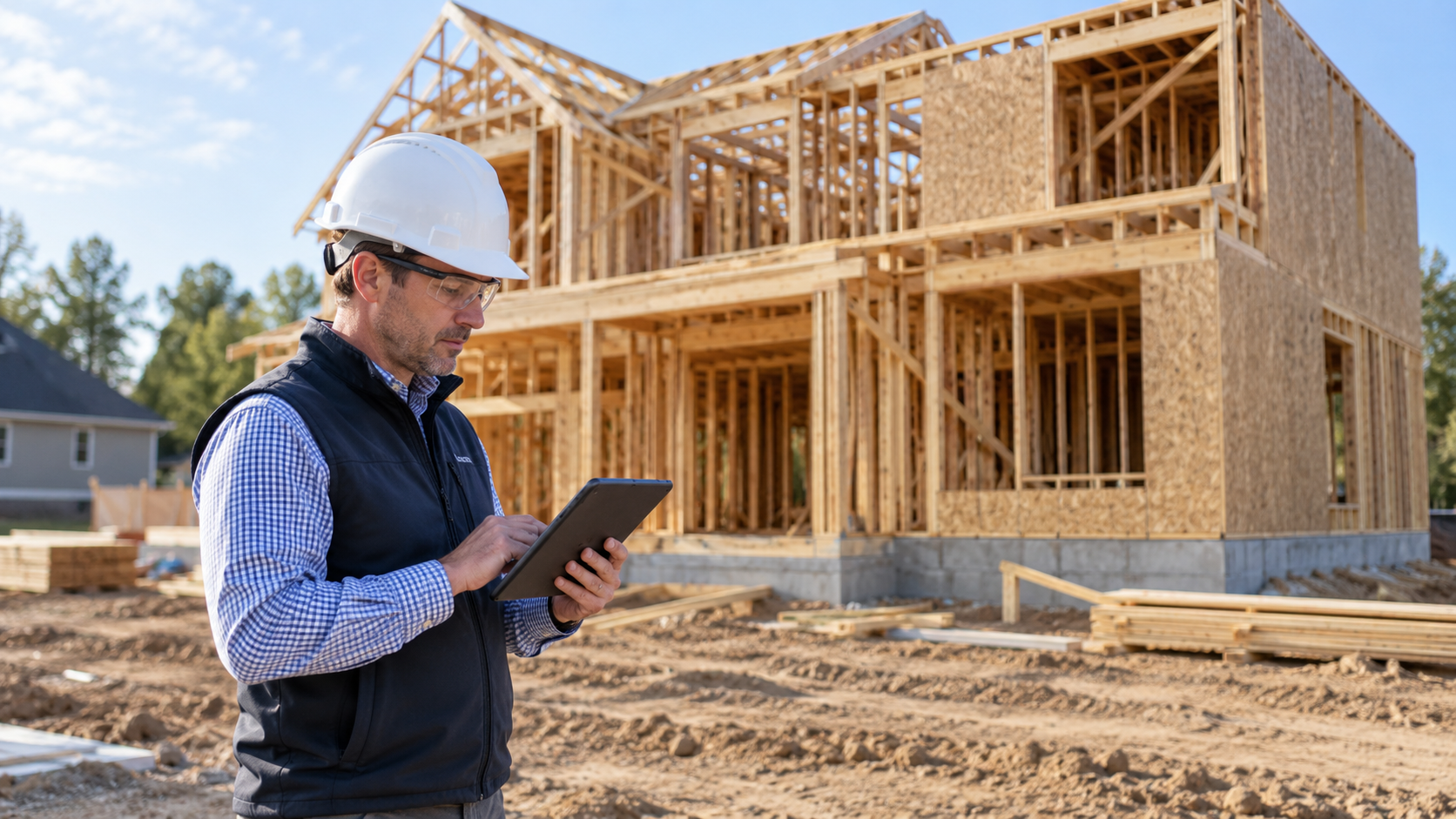
Don't Wait: Unlock the Secrets to Fast Construction Loans

Summary
Unlock the secrets to fast construction loans! Learn how to prepare, qualify, and secure financing for your dream home without delay.
Why Speed Matters When Financing Your Construction Project

Fast construction loans are short-term financing solutions that allow real estate investors and developers to quickly access funds for building projects, with streamlined approval processes that can close in weeks rather than months. These loans disburse money in stages, known as draws, as construction progresses and typically convert to permanent mortgages upon completion. For the ambitious investor, speed isn't a luxury; it's a core component of a successful project's ROI.
Key features of fast construction loans:
- Loan Term: Usually 12-24 months for the construction phase
- Down Payment: Typically 20-25% of the project cost required
- Credit Score: Minimum 680+ preferred for best terms and speed
- Disbursement: Funds released in "draws" tied to verified construction milestones
- Interest Payments: Often interest-only during construction on the funds drawn to date
- Closing Speed: 2-4 weeks with prepared documentation and specialized direct lenders
Time is money in real estate investment, and this is never truer than in construction. Every week you wait for financing approval is a week you're incurring holding costs—property taxes, insurance on the land, and security—without making any progress. It's a week you're not building equity, a week market conditions might shift unfavorably, and a week your competition might snatch up the next prime opportunity. Traditional construction loans from large banks can take 60-90 days, or even longer, to close. They are often bogged down by multiple approval layers, rigid committee schedules, slow appraisal turnarounds, and bureaucratic processes that simply don't align with the pace of today's dynamic real estate market. A two-month delay could mean facing a winter freeze that halts foundation work or missing the peak spring selling season.
The construction lending landscape has evolved significantly. While banks traditionally dominated this space, their lengthy underwriting processes and inflexible requirements often frustrate investors who need to move quickly on time-sensitive opportunities. The research shows that construction loans are inherently riskier for lenders because there's no existing property to use as collateral—just blueprints, permits, and promises. This elevated risk profile translates into more intense scrutiny, higher interest rates, and longer, more arduous approval timelines at traditional institutions that prioritize risk mitigation above all else.
But it doesn't have to be this way.
Fast construction loans from specialized lenders prioritize speed without sacrificing due diligence. They achieve this by leveraging technology, streamlined underwriting, and direct lending relationships to compress timelines dramatically. Modern lenders use digital portals for document submission, automated verification systems for income and assets, and AI-powered tools for initial risk assessment. This tech-forward approach eliminates manual data entry and reduces the chance of human error, accelerating the entire workflow. According to industry data, construction loans funded through these specialized lenders can close in as little as 2-3 weeks when borrowers come prepared with solid plans, vetted contractors, and clean financials.
The difference between fast and slow construction financing often comes down to three factors: preparation, lender selection, and process efficiency. Investors who understand what lenders need upfront, choose the right financing partner, and present a complete, well-organized package can bypass weeks of frustrating back-and-forth and get to closing faster. This speed allows them to lock in material costs before they rise, get crews on-site sooner, and ultimately, bring their project to market or begin generating rental income months ahead of schedule.
I'm Daniel Lopez, a loan officer at BrightBridge Realty Capital, where I've helped numerous real estate investors secure fast construction loans that align with their project timelines and investment goals. My approach centers on transparency and preparation—getting clients ready to move quickly so opportunities don't slip away. We act as a strategic partner, not a bureaucratic hurdle.

Fast construction loans terms to learn:
Understanding Construction Loans: The Basics
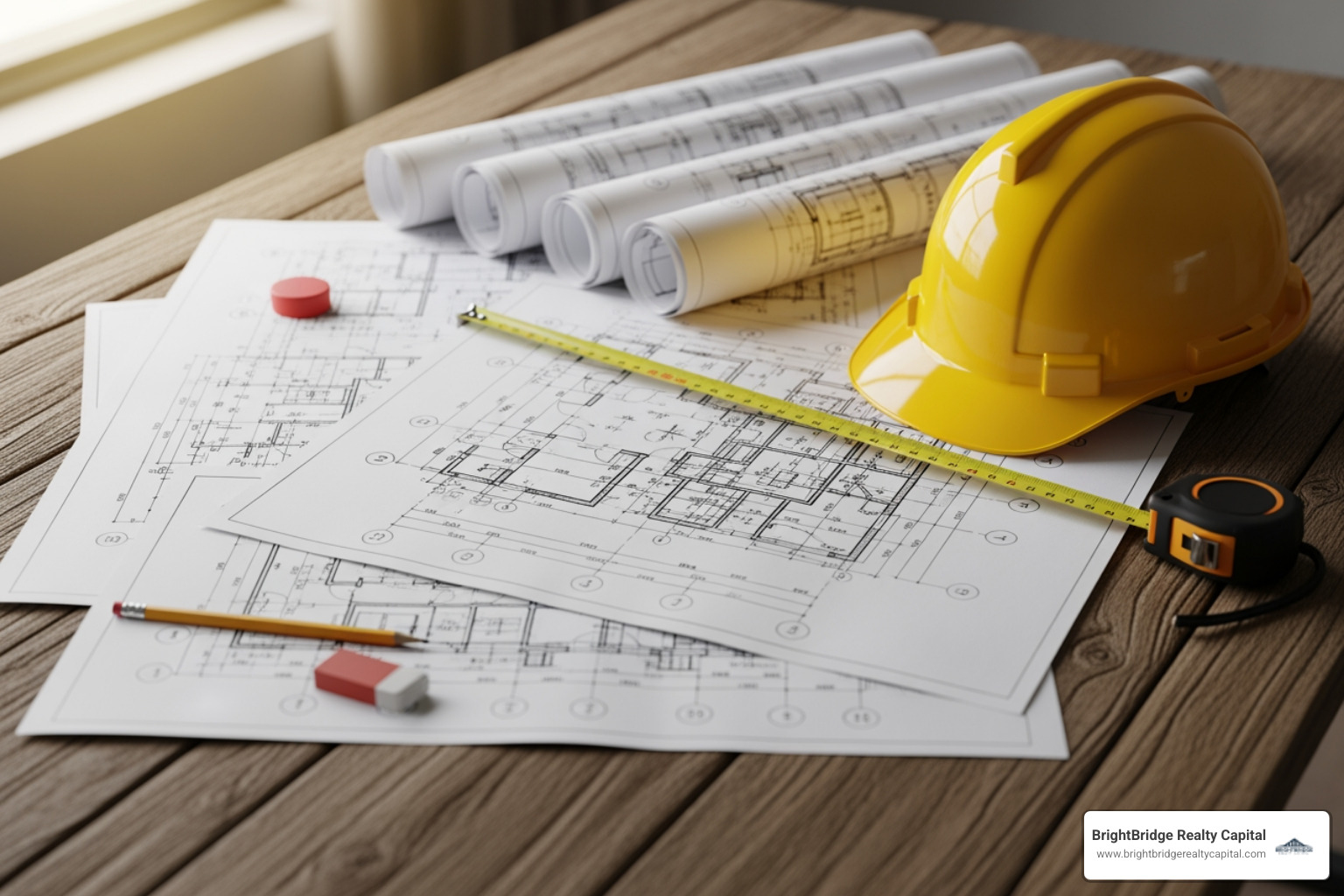
So, what exactly is a construction loan? At its core, a construction loan is a short-term financing solution specifically designed to cover the costs of building a new structure or undertaking a significant renovation. Unlike a traditional mortgage, which provides a lump sum to purchase an already existing property, construction loans are temporary financing vehicles. They're built for the journey of creation, not just the final destination.
The key difference lies in how the funds are disbursed and the inherent risk involved. With a traditional mortgage, the house already exists and serves as solid, tangible collateral from day one. With a construction loan, you're financing something that's still a concept—a set of blueprints, a plot of land, or a half-built structure. This makes them inherently riskier for lenders. A partially completed home is difficult to value and has a limited pool of potential buyers if the borrower defaults. Furthermore, the project is exposed to risks like contractor disputes, material cost fluctuations, and potential mechanic's liens, which could jeopardize the lender's collateral position. As a result, construction loans typically come with shorter terms—often ranging from 12 to 24 months—and tend to have higher interest rates than traditional mortgages. These rates are also frequently variable, fluctuating with a benchmark like the prime rate during the construction period. This means your interest payments could rise or fall, adding a layer of uncertainty to your project's budget.
If you want a neutral, high-level overview of how these loans differ from end mortgages, resources like Wikipedia's article on construction loans can be a helpful complement to the practical guidance in this guide.
"Construction loans are typically short-term loans, usually six to 24 months," explains one source, highlighting their temporary nature. This short-term structure is precisely what makes them distinct from the long-term commitment of a traditional 15 or 30-year mortgage. We at BrightBridge Realty Capital understand these nuances and work to make the process as straightforward as possible for our investors in New York, NY, and beyond.
How Funds Are Disbursed: The Draw Process
Imagine trying to build a house with all the money in your pocket from day one – that's a lot of cash to manage and a lot of risk if things go sideways! This is where the "progress draw" system for construction loans comes into play, making it safer for both you and us as the lender.
Instead of receiving a single lump sum, funds for construction loans are disbursed in a series of installments, often called 'draws' or 'progress draws.' These draws are tied directly to specific, pre-agreed-upon construction milestones outlined in a draw schedule. A typical schedule might look like this:
- Draw 1 (10%): Closing, land acquisition (if applicable), and permits.
- Draw 2 (15%): Foundation poured and cured.
- Draw 3 (20%): Framing complete, sheathing and roof installed.
- Draw 4 (15%): Rough-in plumbing, electrical, and HVAC systems installed.
- Draw 5 (15%): Insulation, drywall, and interior textures complete.
- Draw 6 (15%): Exterior finishes, windows, and doors installed; interior trim and flooring started.
- Draw 7 (10%): Final finishes, fixtures installed, landscaping, and Certificate of Occupancy issued.
Before each draw is released, an inspector from our team (or a third party) will visit the construction site. They verify that the work corresponding to that milestone has been completed satisfactorily, according to the approved plans, and is free of defects. They also check that materials paid for in previous draws are present on-site. If the inspection passes, the next draw is funded. If it fails, the draw is withheld until the contractor corrects the issues, protecting all parties from shoddy workmanship.
During the construction phase, borrowers usually only make interest payments on the portion of the loan that has already been disbursed. This means you're not paying interest on the full loan amount until it's all been drawn, which can significantly save you money early in the project. Once construction is complete, the loan typically converts into a permanent mortgage or is paid off, and principal and interest payments begin. This systematic approach helps manage risk, ensures project accountability, and keeps the budget on track.
What a Construction Loan Covers (and What It Doesn't)
A construction loan is designed to be a comprehensive financial tool for your building project, but it's important to understand its boundaries. Knowing what's covered (hard and soft costs) and what isn't can help you budget accurately and avoid unpleasant surprises.
What a Construction Loan Typically Covers:
- Land Acquisition: If you don't already own the land, the loan can often include the cost of purchasing the building lot.
- Hard Costs: These are the tangible costs of building. This is the bulk of the loan, covering everything from concrete and lumber to drywall, roofing, and the skilled labor of your contractors.
- Soft Costs: These are the intangible, but equally essential, project costs. This includes building permits, impact fees, architectural and engineering fees, appraisal fees, and other governmental charges.
- Contingency Reserves: Smart lenders, and smart investors, always include a contingency fund—typically 10-15% of the total construction cost—to cover unexpected expenses, change orders, or minor delays. We always advise our clients to factor this in!
- Interest Reserves: Some construction loans can be structured to include an "interest reserve," where a portion of the loan funds is set aside to make the interest payments during the construction phase. This can be helpful for cash flow management.
What a Construction Loan Typically Excludes:
- High-End Design Fees: While basic architectural and engineering plans are covered as a soft cost, fees for premium interior designers might need to be paid out-of-pocket.
- Furniture and Decor: Construction loans are for building the structure, not furnishing it. Your fabulous new sofa, artwork, and dining room set will need separate funding.
- Elaborate Landscaping: Basic grading, sod, and utility hookups are usually covered. However, extensive, custom landscaping involving mature trees, elaborate hardscaping, water features, or outdoor kitchens might be excluded and require separate financing.
- Post-Construction Costs: Expenses like marketing the property for sale, home staging, or initial property management setup fees are not covered.
Understanding these distinctions is crucial for creating a realistic, all-encompassing budget and ensuring your project stays on track financially from start to finish.
Types of Construction Financing: Finding Your Fit
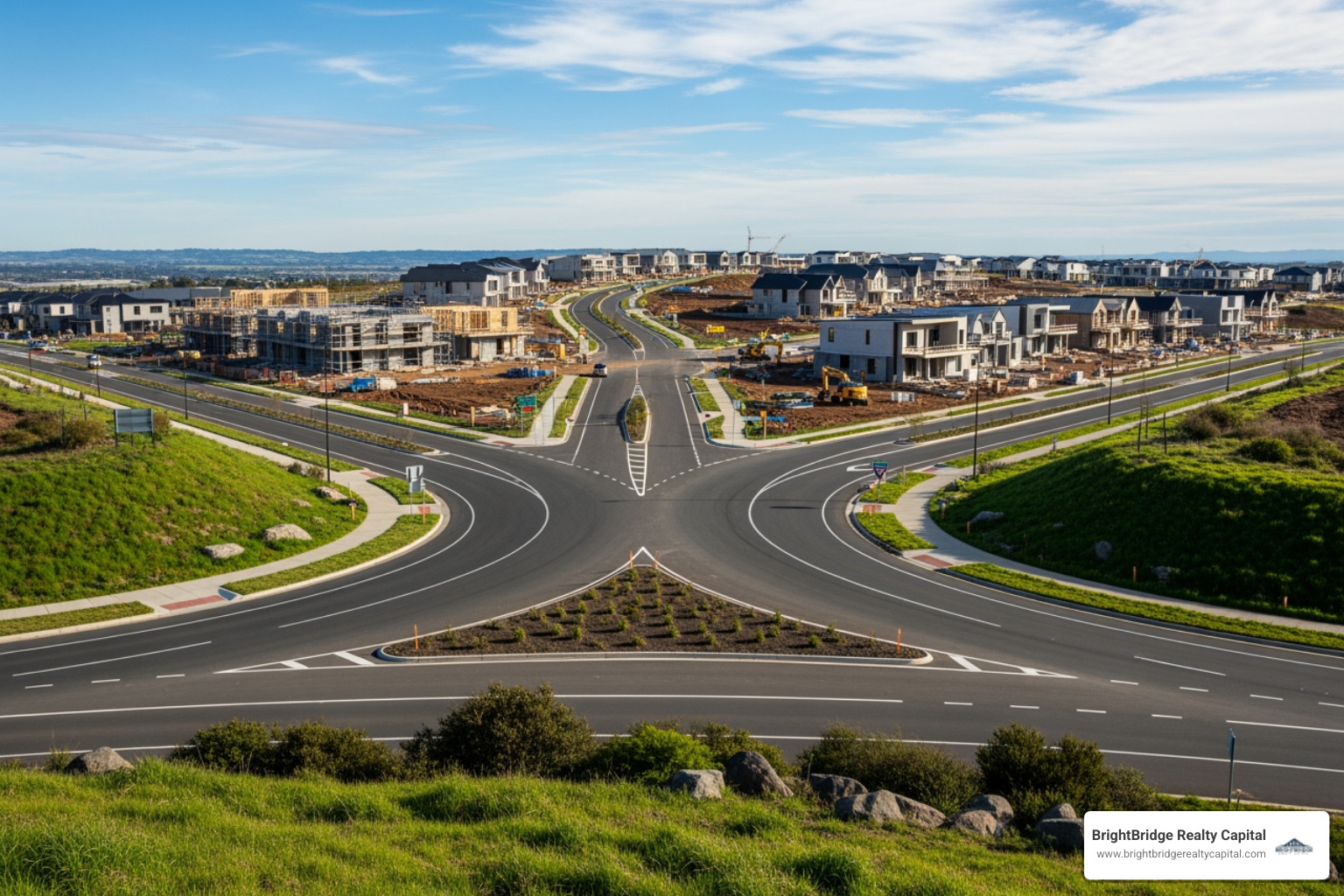
When it comes to construction financing, it's not a one-size-fits-all world. Just like there are different types of homes, there are different ways to finance building them. The primary distinction you'll encounter is between "single-close" and "two-close" loans, each with its own set of pros and cons regarding speed, convenience, and cost. Understanding which structure aligns with your project goals, risk tolerance, and exit strategy is paramount. We at BrightBridge Realty Capital help you steer these choices to find the perfect fit for your investment strategy.
Construction-to-Permanent (C2P) Loans: The Single-Close Solution
A construction-to-permanent loan, often called a "one-time close" or "single-close" loan, is a popular option that many investors and homebuyers find appealing for its streamlined process. As the name suggests, this single loan finances both the construction phase and then automatically converts into a permanent mortgage once the building is complete and a certificate of occupancy is issued.
The major benefit here is convenience and efficiency: you go through the application, underwriting, and closing process only once. This means only one set of closing costs, one appraisal, and one credit pull, saving you significant time, money, and administrative hassle compared to securing two separate loans. With a C2P loan, you apply for the full amount upfront. During construction, you typically make interest-only payments on the funds disbursed. Once the project is finished, the loan seamlessly modifies into a standard, fully amortizing mortgage, and your principal and interest payments begin.
A significant advantage for investors and builders is the potential to lock in an interest rate for the permanent mortgage phase at the initial closing. In a rising-rate environment, this can be a huge benefit, protecting you from market volatility during the 12-24 month construction period. This single-close mechanism is a key contributor to the "fast" aspect of your construction loan, as it eliminates the need for a second, stressful underwriting and closing process later on. However, the trade-off is a potential lack of flexibility; if interest rates fall during construction, you may be stuck with the higher rate you locked in. "A construction-to-permanent loan finances the construction of a house and converts to a mortgage on completion," explains one source, highlighting its seamless nature.
Construction-Only Loans: The Two-Close Approach
In contrast to the C2P loan, a construction-only loan is a "two-close" financing option. This means you obtain one loan specifically for the construction phase, and once the project is complete, you must then secure a separate, traditional mortgage (often called a "take-out" or "end" loan) to pay off the construction loan.
The construction-only loan is, as its name implies, purely for the building phase. It's a short-term loan, typically with a term of 12 to 24 months, designed to cover all the costs of bringing your project to life. During this period, you'll generally make interest-only payments on the funds drawn. Once construction is finished, the entire balance of the construction loan becomes due, and you must pay it back in full.
This is where the second loan comes in. You'll need to apply for a permanent mortgage to refinance and pay off the construction loan. While this means two separate application processes, two appraisals, and two sets of closing costs, it offers a greater degree of flexibility. You have the opportunity to shop around for the best mortgage rates and terms after your project is complete and the market conditions are clearer. This can be highly beneficial if you anticipate interest rates will drop, or if you want to explore different lenders for your long-term financing. However, this path carries a significant risk: you are not guaranteed to qualify for the take-out loan. If your financial situation changes, your credit score drops, or the property appraises for less than expected upon completion, you could be left without permanent financing and a construction loan to pay back. For investors who prioritize flexibility and are confident in their ability to secure take-out financing, a construction-only loan can be a viable path. However, if speed, certainty, and simplicity are your top priorities for securing fast construction loans, the single-close C2P often wins out.
Other Related Financing: Renovation and Bridge Loans
While distinct from ground-up construction loans, it's helpful to know about other financing types you might encounter:
- Renovation Loans: Products like the FHA 203(k) loan or Fannie Mae HomeStyle loan are designed for buying and renovating an existing property. The loan amount is based on the purchase price plus the cost of repairs, all bundled into a single mortgage. They are great for fix-and-flips or customizing an older home but involve different qualification rules and are not intended for building from the ground up.
- Bridge Loans: These are short-term loans used to "bridge" a gap in financing, such as when an investor needs to close on a new property before they have sold their existing one. In a construction context, a bridge loan might be used to acquire land quickly while the larger construction loan is being finalized. They are fast but typically come with higher interest rates and fees.
Your Blueprint for Securing Fast Construction Loans
At BrightBridge Realty Capital, we often say that "preparation is speed." While we pride ourselves on offering fast construction loans with quick closings, your readiness plays an enormous role in how swiftly we can move. Think of it like a rocket launch: the countdown might be fast, but the months of meticulous preparation are what make a successful liftoff possible.
The key to securing a fast construction loan lies in two main areas: being impeccably prepared yourself and choosing the right lending partner. While traditional banks can get bogged down in committees and red tape, direct lenders like us specialize in streamlined processes, cutting out intermediaries and leveraging efficiency to get you funded faster. Our goal is to ensure your application process is as smooth and quick as possible, getting you from blueprint to build without unnecessary delays.
The Critical Role of Preparation for a Fast Construction Loan
This cannot be stressed enough: a well-organized, comprehensive application package is your golden ticket to a fast construction loan. Lenders, especially those focused on speed, need absolute confidence that your project is viable, meticulously planned, and managed by a capable, experienced team.
Here’s what we look for to ensure a speedy approval:
- Detailed Construction Plans: This means more than just a floor plan. We need a full set of architectural and engineering blueprints (structural, mechanical, electrical, plumbing) and a "spec sheet" that details every material, from the foundation type to the brand of appliances and the grade of carpet.
- A Granular Budget with Contingency: Your budget must be thorough, itemizing all anticipated costs. This should be broken down into "hard costs" (labor and materials) and "soft costs" (permits, fees, architectural services, etc.). Crucially, it must include a contingency reserve, typically 10-15% of the total construction cost. This buffer isn't optional; it shows us you're a professional who is prepared for the inevitable unexpected costs that arise in any construction project.
- A Clear Project Timeline and Draw Schedule: A well-defined schedule with clear milestones for each stage of construction helps us understand the project's flow. This timeline should align directly with a proposed draw schedule, so we know exactly when funds will be needed and what work will be completed for each disbursement.
- A Thoroughly Vetted Contractor: The builder you choose is paramount. We need to see that you're working with a licensed, insured, and reputable contractor with a proven track record of completing similar projects on time and on budget. Vetting means checking their license and insurance, calling references (both past clients and suppliers to ensure they pay their bills), reviewing their portfolio, and checking public records for any past lawsuits or liens. A builder who is organized, responsive, and has a good reputation can significantly accelerate your loan application.
Your builder is your most important partner in this process. They will be instrumental in providing the detailed plans, budget, and timeline we need. A builder who understands the lending process is invaluable.
Meeting Eligibility Requirements Swiftly
Just as your project needs to be solid, so do your financials. Meeting eligibility requirements upfront, without any surprises or back-and-forth, is crucial for securing a fast construction loan. We focus on these key indicators to assess your financial health and project viability:
- Credit Score: A strong credit score, generally 680 or higher, signals financial responsibility and a history of meeting obligations. It increases your chances of approval and helps you secure more favorable rates. While some lenders might go lower, aiming for 680+ positions you for the fastest and most competitive offers.
- Debt-to-Income (DTI) Ratio: Your DTI ratio, which compares your total monthly debt payments to your gross monthly income, is a critical measure of your ability to handle new debt. Lenders typically look for a DTI of 43% or lower, including the projected interest payments on the new construction loan.
- Down Payment (Loan-to-Cost): Construction loans often require a larger down payment than traditional mortgages, typically ranging from 20% to 25%. This is often expressed as a Loan-to-Cost (LTC) ratio. For example, an 80% LTC means the lender will finance 80% of the project's total cost, and you must contribute the remaining 20%.
- Land Equity and Loan-to-Value (LTV): If you already own the land, its appraised value can often be used as equity toward your down payment. Lenders will also look at the Loan-to-Value (LTV) ratio, which compares the loan amount to the future appraised value of the completed home. Lenders will typically cap the loan amount based on the lesser of the LTC or LTV ratios.
- Verifiable Income and Assets: Lenders need to see a stable and verifiable income stream to ensure you can make interest payments during construction. You'll also need to show you have sufficient cash reserves (liquidity) to cover your down payment, closing costs, and several months of interest payments.
Having these financial ducks in a row before you even apply will make our underwriting process a breeze and help you secure a fast construction loan.
The 5-Step Application Process for a Fast Construction Loan
We've distilled the path to a fast construction loan into a clear, efficient 5-step process. This roadmap helps you know what to expect and what to prepare, ensuring we can move as quickly as possible from application to funding:
- Pre-approval: This is your first and most critical step. We'll review your financial profile (credit, DTI, income, assets) and your initial project concept to give you a reliable estimate of how much you can borrow. Getting pre-approved sets a realistic budget and demonstrates your serious intent to us and your builder.
- Builder & Plan Submission: Once pre-approved, you'll submit the complete project package: detailed construction plans, the itemized budget, the project timeline, and your builder's credentials (license, insurance, resume, etc.).
- Appraisal: An independent appraiser with experience in construction valuation will be engaged. They will determine the future value of the completed home based on your plans and specifications and by comparing it to similar new homes in the area. This "as-completed" appraisal is crucial for determining the maximum loan amount.
- Underwriting: Our in-house underwriting team will perform a comprehensive review of all submitted documents—your financials, the builder's credentials, the project plans, the budget, and the appraisal. This is where we ensure everything aligns with our lending criteria and that the project is viable. Because we are direct lenders, our underwriters are accessible and can make decisions quickly, avoiding the delays of a traditional bank's loan committee.
- Closing: Once underwriting is complete and approved, we move to closing. This is where all the legal documents are signed, and the loan officially begins. With BrightBridge Realty Capital, our efficient processes and dedicated team can lead to closings often within a week of final approval, getting you ready to break ground without delay.
Navigating Potential Problems and Government Programs
Even with the best plans and the fastest lenders, construction projects can encounter bumps in the road. Understanding potential risks and how to mitigate them is just as important as knowing how to secure your loan. While government programs exist to assist with financing, they often come with a different set of considerations, particularly when speed is a priority.
Common Risks and How to Mitigate Them
Construction is a complex dance of materials, labor, weather, and regulations. Delays and cost overruns are common risks, but they don't have to derail your project if you're prepared.
- Construction Delays: Unforeseen issues like extreme weather, supply chain disruptions for key materials, subcontractor scheduling conflicts, or permitting hold-ups can push back your timeline. If construction isn't completed before the loan's maturity date, you'll need to request a loan extension from your lender. This may involve re-approving the loan, paying additional fees, or agreeing to an adjusted interest rate. The research notes that delays could result in increases to your loan's interest rate and longer waits for fund disbursement. Mitigation: Build buffer time into your initial schedule and maintain constant, clear communication with your builder and lender.
- Cost Overruns: Despite meticulous budgeting, unexpected expenses can arise. The cost of lumber might spike, or excavation might reveal difficult soil conditions requiring extra work. This is precisely why including a contingency fund (10-15% of the total project cost) in your initial loan application is non-negotiable. This buffer allows you to absorb minor shocks without needing to seek additional financing or halt construction. Change orders from the borrower are a common source of overruns and may need to be paid for out-of-pocket.
- Builder Issues: Your project's success is heavily tied to your builder. A major risk is builder default, where the contractor goes bankrupt or abandons the job. This can leave you with a half-finished project and potential mechanic's liens from unpaid subcontractors or suppliers. Mitigation: Thoroughly vet your builder upfront. Consider asking if the builder is bondable, and always get lien waivers from subcontractors and suppliers as payments are made.
- Builder's Risk Insurance: This isn't a risk, but a key mitigation tool. Almost all lenders will require you to secure builder's risk insurance. This specialized policy protects against damage to the property during construction, covering events like fire, theft of materials, or vandalism. It's a non-negotiable safeguard for both you and us.
Exploring Government-Backed Loan Programs
Government-backed programs, such as FHA, VA, or USDA construction loans, can offer attractive benefits like lower down payments or more flexible credit requirements for eligible borrowers. However, when your primary goal is securing fast construction loans, these options are almost always the slower route.
While these programs serve vital purposes, they involve additional layers of bureaucracy that are not conducive to speed. Here's a closer look:
- FHA Construction-to-Permanent Loans: Offered by FHA-approved lenders, these allow down payments as low as 3.5%. However, they come with strict loan limits that vary by county and require the property to meet FHA's minimum property standards. The builder must also be vetted and approved by the FHA, a process that can take time. The additional paperwork and government oversight inevitably slow down the timeline.
- VA Construction Loans: For eligible veterans, service members, and surviving spouses, VA loans are a fantastic benefit, often requiring no down payment. However, finding lenders who offer VA construction loans can be challenging. The VA has its own set of builder approval requirements and property standards (called Minimum Property Requirements or MPRs). The process involves multiple appraisals and inspections, adding steps and time.
- USDA Construction Loans: Aimed at rural homebuyers, these loans also offer a no-down-payment option for eligible borrowers in designated rural areas. Like FHA and VA loans, they have income eligibility limits, and both the property and the builder must meet USDA guidelines. The multi-step approval process, which involves the lender and the USDA, is not designed for speed.
For investors in competitive markets like New York, NY, who need to capitalize on opportunities swiftly, the expedited process offered by a specialized direct lender often outweighs the potential benefits of government programs that are fundamentally not designed for speed.
Frequently Asked Questions about Fast Construction Loans
How long does it really take to get a construction loan?
The timeline for a construction loan varies widely, from a few weeks to several months. The single biggest factor is preparation. With a complete application package—including detailed plans, a vetted builder, and all financial documents—a streamlined direct lender can move much faster. At BrightBridge Realty Capital, we pride ourselves on efficient underwriting and can often achieve closings for fast construction loans within 2-4 weeks from the time we receive a complete package.
Is it harder to qualify for a construction loan than a traditional mortgage?
Yes, qualifying is generally harder due to the higher risk for lenders. Because there's no existing home to serve as immediate collateral, lenders scrutinize the deal more closely. They typically require a higher credit score (often 680+), a larger down payment (20-25% of the project cost), sufficient cash reserves, and a detailed review of your project plans and builder credentials before approval. These stricter requirements are in place to mitigate the increased risk associated with financing a property that doesn't yet exist.
What happens if my project takes longer than expected?
If construction is delayed and your project won't be finished before the loan's maturity date, you must contact your lender immediately to request a loan extension. Do not wait until the last minute. The lender will review the project's status and the reason for the delay. An extension may involve re-approval of your loan, additional fees, or an adjusted interest rate. It's crucial to communicate proactively with both your contractor and your lender about any potential delays to manage expectations and minimize financial repercussions.
Can I be my own general contractor (an owner-builder)?
While possible, it is very difficult to get a construction loan as an owner-builder, especially from a lender focused on speed and risk mitigation. Most lenders require a licensed, experienced general contractor with a proven track record. They see a professional builder as a key risk-management component. If you are a licensed contractor by trade, some lenders may consider it, but you will face a much higher level of scrutiny. For most borrowers, hiring a professional is the fastest and surest path to approval.
What are the typical interest rates for construction loans?
Construction loan interest rates are typically higher than those for traditional 30-year mortgages because of the loan's short-term nature and higher risk profile. They are often variable rates, structured as the U.S. Prime Rate plus a margin (e.g., Prime + 1%). This means the rate can change during the construction period. Some lenders may offer a fixed-rate option, but it will likely be higher than the initial variable rate.
How is interest calculated on a construction loan?
One of the key features of a construction loan is that you only pay interest on the funds that have been disbursed, not on the total loan amount. For example, if you have a $500,000 loan but have only taken a $100,000 draw for the foundation and framing, your monthly payment is calculated based only on that $100,000. This keeps your payments lower at the beginning of the project and has them gradually increase as more funds are drawn and construction progresses.
Conclusion: Build Your Future Without Delay
Securing fast construction loans is more than just a convenience; it's a powerful strategic advantage in today's competitive and fast-paced real estate market. The ability to quickly access capital for your ground-up construction or significant renovation projects can mean the difference between seizing a lucrative opportunity and watching it get bogged down by bureaucratic delays, rising costs, and market shifts.
Our journey through the world of construction financing has highlighted several critical takeaways for any serious investor or builder:
- Understand the Unique Nature: Construction loans are fundamentally different from traditional mortgages. Their short terms, phased disbursements (draws), interest-only payment structures, and higher qualification bars are all designed to manage the inherent risks of building from scratch.
- Choose Your Structure Wisely: The choice between a single-close Construction-to-Permanent loan for its simplicity and security, or a two-close Construction-Only loan for its flexibility, has significant implications for your project's risk profile and timeline.
- Preparation is the Engine of Speed: Your meticulous planning—from granular blueprints and a contingency-laden budget to a thoroughly vetted contractor—is the single most significant factor in accelerating your loan approval. A complete, professional package demonstrates your readiness and minimizes lender back-and-forth.
- Your Lender Choice is Key: The right lending partner is paramount. Direct lenders, like us at BrightBridge Realty Capital, are built for speed. We specialize in streamlined processes, in-house underwriting, and direct communication, cutting through the red tape often found at traditional institutions to deliver truly fast closings.
- Anticipate and Mitigate Risks: Proactive risk management is the hallmark of a successful project. Be prepared for potential delays and cost overruns by including contingency funds, securing the right insurance, and maintaining open lines of communication with your team.
At BrightBridge Realty Capital, we understand the urgency and ambition of real estate investors in New York, NY, and across the nation. Our expertise is not just in lending money, but in providing customized real estate financing solutions that function at the speed of your business. We cut out the intermediaries, offering direct lending with competitive rates and a seamless, transparent process. When you come to us prepared, we have the systems and the authority to move your project from application to closing, often within a week of final approval.
Don't let slow, cumbersome financing hold back your vision. Partner with a lender who understands that in construction, time truly is money.