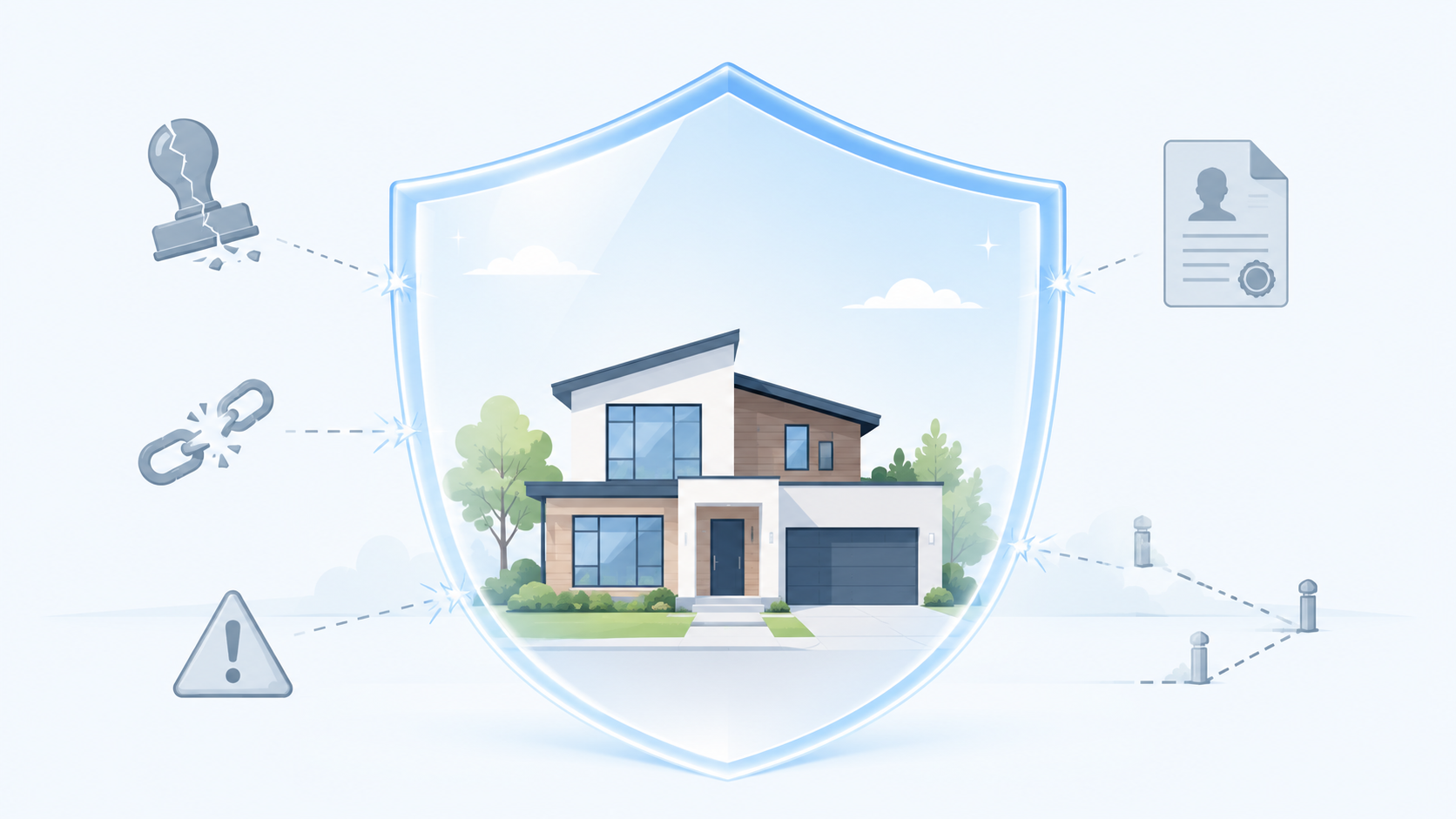
Do DSCR Loans Require a Down Payment?

Summary
DSCR loans typically require down payments of 20-25%, though specific amounts vary based on property type, borrower experience, and deal structure. The experts at Brightbridge Realty Capital work with investors to optimize down payment requirements while maximizing leverage opportunities.
When you're evaluating investment properties and exploring DSCR loan options, the down payment question sits at the center of your deal analysis. Unlike traditional rental property mortgages that scrutinize your personal income and debt ratios, DSCR loans focus on the property's cash flow performance. But that income-based approach doesn't eliminate the need for substantial upfront capital.
Most real estate investors discover that DSCR loans require meaningful down payments, typically starting at 20% and often reaching 25% or higher depending on the deal specifics. These requirements aren't arbitrary lending policies but reflect the risk assessment methodologies that make DSCR financing possible in the first place. Understanding why these down payment structures exist helps you plan your capital deployment and deal evaluation process more effectively.
The down payment landscape for DSCR loans involves multiple variables that interact with your borrower profile, property characteristics, and market conditions. Smart investors learn to navigate these requirements strategically, using down payment optimization as a tool for maximizing their portfolio growth rather than viewing it as an obstacle to overcome.
Understanding DSCR Loan Down Payment Requirements
DSCR lenders structure their down payment requirements around risk mitigation principles that differ significantly from conventional mortgage approaches. Since these loans don't rely on your personal income verification, lenders need alternative methods to ensure loan performance and protect their capital position. The down payment serves as your skin in the game, demonstrating commitment while providing a cushion against potential market fluctuations or rental income disruptions.
Most DSCR loan programs establish minimum down payment thresholds between 20% and 25% of the property's purchase price or appraised value. These percentages aren't negotiable minimums but starting points that can increase based on various risk factors in your specific deal. The loan-to-value ratio becomes a critical metric that influences not just approval decisions but also interest rate pricing and loan terms throughout the financing package.
Property type plays a significant role in determining your actual down payment requirement within these general ranges. Single-family rental properties often qualify for the lower end of down payment requirements, while multi-unit properties, unique property types, or properties in emerging markets may require higher down payments. The team at Brightbridge Realty Capital evaluates each property's risk profile individually, considering factors like local market stability, rental demand patterns, and property condition assessments.
Here are the key factors that influence DSCR loan down payment requirements:
- Property Cash Flow Strength: Properties with higher DSCR ratios often qualify for lower down payment requirements due to stronger income coverage
- Borrower Experience Level: Seasoned investors with proven track records may access more favorable down payment terms than first-time rental property buyers
- Property Type and Location: Single-family homes in stable markets typically require less down than multi-unit properties or properties in transitional areas
- Market Conditions: Lending market tightness, interest rate environments, and regional economic factors can shift down payment requirements across programs
The relationship between down payment amount and loan terms extends beyond just the upfront capital requirement. Higher down payments often unlock better interest rates, more flexible loan terms, and streamlined approval processes. This creates a strategic decision point where you balance immediate capital preservation against long-term financing costs and deal flexibility.
Experienced investors understand that down payment requirements represent just one component of the total capital needed to close DSCR loan transactions. Closing costs, inspection fees, appraisal costs, and reserve requirements add to your upfront investment, making comprehensive deal analysis essential for accurate return projections and cash flow planning.
Factors That Influence Down Payment Amounts
Your borrower profile significantly impacts the down payment requirements you'll encounter across different DSCR loan programs. Lenders evaluate your real estate investment experience, credit profile, and liquidity position when determining how much capital you need to bring to the table. First-time rental property investors often face higher down payment requirements as lenders seek additional security when working with borrowers who lack proven rental property management experience.
Credit score thresholds interact with down payment requirements in ways that can either help or hurt your capital efficiency goals. Borrowers with credit scores above 740 typically qualify for the most favorable down payment terms, while those with scores in the 680-720 range may need to increase their down payment to offset perceived credit risk. The experts at Brightbridge Realty Capital work with investors across the credit spectrum, structuring deals that balance risk management with competitive terms.
Liquidity and reserve requirements add another layer to the down payment equation that many investors underestimate during their initial deal evaluation. DSCR lenders want to see that you maintain adequate cash reserves after closing, typically requiring 2-6 months of mortgage payments in liquid assets beyond your down payment and closing costs. These reserve requirements can effectively increase your total capital commitment even when the stated down payment percentage remains unchanged.
Several property-specific factors directly influence your down payment obligation:
- Debt Service Coverage Ratio: Properties with DSCR above 1.25 may qualify for reduced down payment requirements compared to marginal cash flow properties
- Property Condition and Age: Newer properties in excellent condition often require lower down payments than older properties needing significant repairs or updates
- Local Market Dynamics: Properties in markets with strong rental demand and stable appreciation may qualify for more aggressive loan-to-value ratios
- Occupancy Status: Occupied properties with established rental income may require less down than vacant properties where rental projections carry more uncertainty
Geographic considerations play a crucial role that extends beyond simple market strength metrics. Lenders maintain different risk appetites for various metropolitan areas, rural markets, and regional economic centers. Properties in markets where lenders have extensive experience and confidence may qualify for lower down payments, while properties in unfamiliar or volatile markets often require additional capital commitments.
The timing of your loan application relative to market cycles can influence down payment requirements in ways that aren't immediately obvious. During periods of market uncertainty or credit tightening, lenders often increase down payment requirements across their programs as a risk management response. Conversely, competitive lending environments may create opportunities for reduced down payment requirements as lenders compete for quality borrower relationships.
Optimizing Your Down Payment Strategy
Strategic down payment planning requires balancing immediate capital preservation against long-term portfolio growth objectives and financing cost optimization. Many investors make the mistake of automatically seeking the lowest possible down payment without considering how that decision impacts their overall deal economics and future financing flexibility. The relationship between down payment amount and total return on investment involves complex interactions that vary based on your investment timeline and growth strategy.
Higher down payments often unlock interest rate reductions that compound over the life of your loan, potentially offsetting the opportunity cost of deploying additional upfront capital. A difference of even 0.25% in interest rate can generate significant savings over a 30-year loan term, making the analysis between minimum down payment and optimized down payment a critical component of your deal evaluation. Loan experts at Brightbridge Realty Capital help investors model these trade-offs using actual deal scenarios and current market pricing.
Portfolio-level considerations become increasingly important as you expand your real estate investment activities beyond single-property transactions. Maintaining adequate dry powder for future opportunities while optimizing current deal leverage requires careful capital allocation planning. Some investors benefit from making larger down payments on stronger properties to improve their debt-to-income ratios for future financing, while others prioritize maximum leverage to accelerate portfolio expansion.
Key strategies for optimizing your DSCR loan down payment approach include:
- Rate Buydown Analysis: Compare the long-term interest savings from higher down payments against your expected returns from deploying that capital elsewhere
- Portfolio Velocity Planning: Balance current deal leverage against maintaining capital reserves for upcoming investment opportunities
- Market Timing Considerations: Consider whether current market conditions favor aggressive leverage or conservative capital deployment
- Tax Planning Integration: Coordinate down payment decisions with your overall tax strategy, considering depreciation benefits and capital gains planning
The opportunity cost analysis becomes particularly complex when you have multiple investment options competing for your available capital. Deploying an extra 5% down payment on one property to secure better loan terms must be weighed against using that capital as down payment on an additional property acquisition. These decisions require honest assessment of your risk tolerance, market outlook, and investment timeline objectives.
Financing relationship management plays an often-overlooked role in down payment optimization strategies. Building strong relationships with experienced DSCR lenders can create access to more flexible down payment options, especially as your borrowing history and portfolio performance demonstrate your capabilities as a real estate investor. Partners in real estate loans at Brightbridge Realty Capital often work with repeat clients to structure increasingly competitive terms as the lending relationship develops and matures over multiple transactions.
FAQs
What is the typical down payment range for DSCR loans?
DSCR loans typically require down payments between 20% and 25% of the property's purchase price or appraised value. The exact percentage depends on factors like property type, borrower experience, credit profile, and the property's debt service coverage ratio. Single-family rental properties often qualify at the lower end of this range, while multi-unit properties or unique property types may require higher down payments. Brightbridge Realty Capital's loan experts evaluate each deal individually to determine the optimal down payment structure that balances risk management with competitive terms for qualified real estate investors.
Can you get a DSCR loan with less than 20% down?
While most DSCR loan programs establish 20% as their minimum down payment threshold, some specialized programs may offer slightly lower requirements for exceptionally strong deals or experienced borrowers. However, these situations are rare and typically involve properties with very strong cash flow performance and borrowers with extensive rental property experience. The team at Brightbridge Realty Capital focuses on structuring competitive terms within standard down payment ranges rather than pursuing marginal programs that often come with higher interest rates, additional fees, or restrictive loan terms that can negatively impact your overall deal economics.
How does property type affect DSCR loan down payment requirements?
Property type significantly influences down payment requirements because different property categories carry varying risk profiles for lenders. Single-family rental homes typically require the lowest down payments due to their liquidity and market stability. Small multi-unit properties may require 25% or higher down payments, while specialized property types like vacation rentals or mixed-use properties often face even higher requirements. Commercial properties transitioning to rental use may need 30% or more down. Experts at Brightbridge Realty Capital help investors understand these property-specific requirements during the initial deal evaluation process to ensure accurate capital planning.
Do higher down payments result in better DSCR loan terms?
Yes, higher down payments frequently unlock better interest rates, more flexible loan terms, and streamlined approval processes. Lenders view larger down payments as reduced risk, often rewarding borrowers with rate reductions of 0.125% to 0.50% or more. These interest savings can be substantial over a 30-year loan term, sometimes offsetting the opportunity cost of deploying additional upfront capital. Higher down payments also provide more cushion against market fluctuations, making lenders more comfortable with competitive pricing. Fouladi and his team of loan experts help investors analyze whether the long-term savings from higher down payments justify the additional upfront capital deployment in their specific situations.
What other upfront costs should I budget beyond the DSCR loan down payment?
Beyond your down payment, budget for closing costs typically ranges from 2-3% of the loan amount, including appraisal fees, title insurance, attorney fees, and lender charges. Most DSCR lenders require cash reserves of 2-6 months of mortgage payments remaining in liquid assets after closing. Property inspection costs, insurance setup, and any immediate repair needs add to your upfront investment. If you're purchasing an occupied rental property, factor in potential security deposit transfers and lease transition costs. The loan experts at Brightbridge Realty Capital provide detailed cost breakdowns during the application process so investors can accurately plan their total capital requirements for each transaction.
How do credit scores impact DSCR loan down payment requirements?
Credit scores directly influence down payment requirements, with higher scores often qualifying for lower down payment options and better overall loan terms. Borrowers with credit scores above 740 typically access the most favorable down payment requirements, while those with scores between 680-720 may need higher down payments to offset perceived credit risk. Scores below 680 often require maximum down payments and may face additional restrictions or higher interest rates. However, DSCR loans focus primarily on property cash flow rather than personal creditworthiness, making them accessible to investors who might not qualify for conventional financing. Partners in real estate loans at Brightbridge Realty Capital work with borrowers across the credit spectrum.
Can I use gift funds or borrowed money for my DSCR loan down payment?
DSCR lenders typically require down payments to come from your own verified funds rather than gifts or borrowed money. This requirement ensures you have genuine equity stake in the investment property and aren't over-leveraging your position. Some lenders may accept gift funds from immediate family members with proper documentation, but borrowed funds from other sources are generally prohibited. Business partners can contribute to down payments through properly structured partnership agreements. You'll need to provide bank statements and source of funds documentation for your down payment. The team at Brightbridge Realty Capital helps investors understand acceptable down payment sources and documentation requirements during the application process.
Should I make the minimum down payment or pay more upfront on DSCR loans?
The optimal down payment strategy depends on your investment goals, available capital, and market opportunities. Minimum down payments maximize leverage and preserve capital for additional property acquisitions, potentially accelerating portfolio growth. However, higher down payments often secure better interest rates, improve cash flow, and provide more equity cushion against market fluctuations. Consider your opportunity cost analysis, comparing potential returns from deploying extra capital elsewhere versus long-term interest savings from larger down payments. Market conditions and your risk tolerance also factor into this decision. Brightbridge Realty Capital's approach to funding emphasizes helping investors model these trade-offs using actual deal scenarios to determine the most effective capital deployment strategy for their specific situations.