Invest for Tomorrow: Unlocking the Power of Long-Term Real Estate


Summary
Invest for tomorrow! Build lasting wealth with long term real estate. Learn its pillars, strategies, and secure your financial future.
Why Long Term Real Estate is a Smart Investment
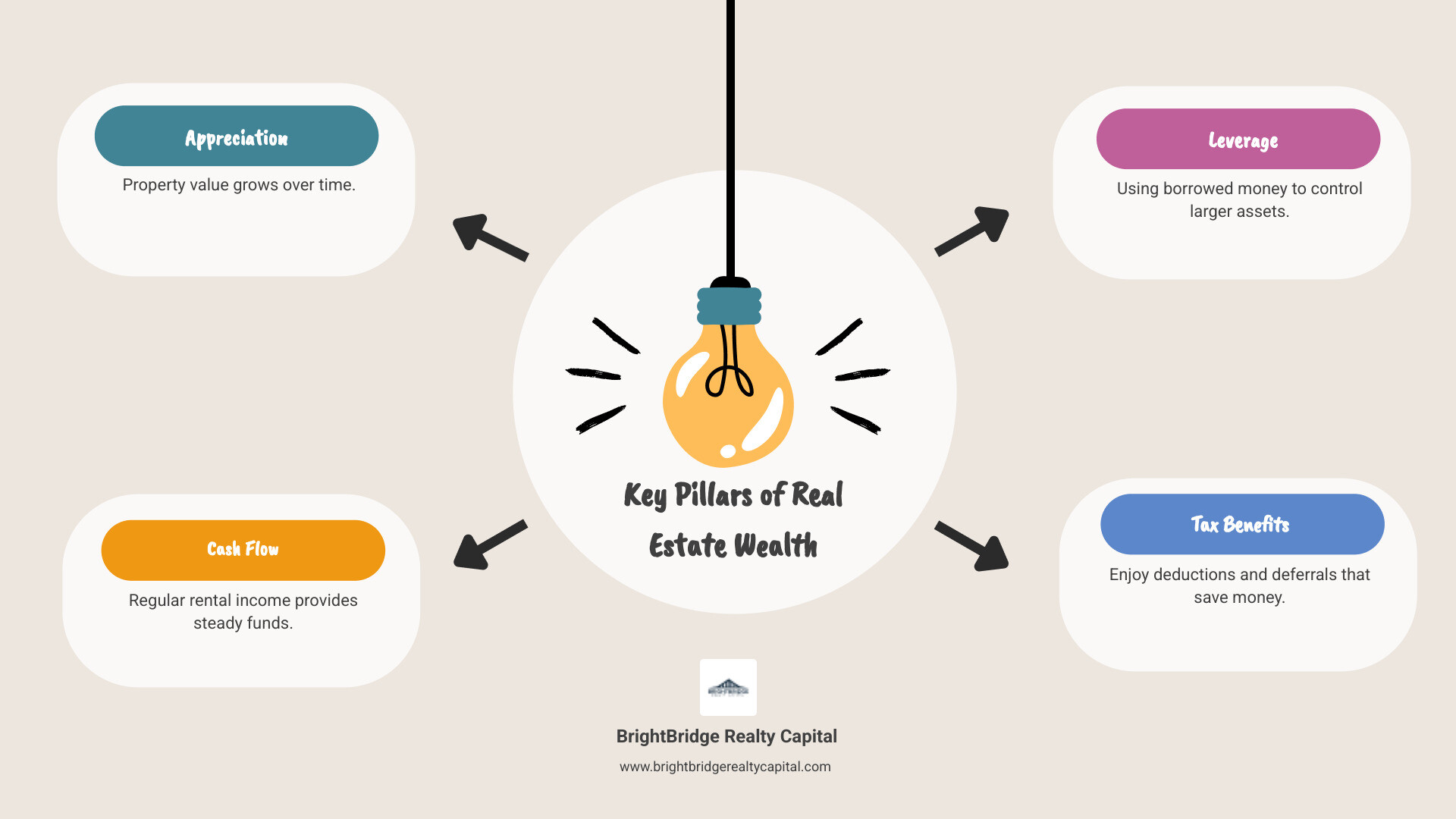
Long term real estate investing is a disciplined approach to wealth creation that involves purchasing property with the intention of holding it for an extended period, often for a decade or more. Unlike short-term strategies like house flipping, which rely on timing the market for quick profits, long-term investing focuses on building sustainable wealth through several powerful, interconnected pillars:
- Appreciation: The natural tendency for your property's value to increase over time, driven by inflation, demand, and scarcity.
- Cash Flow: A consistent stream of income from rent payments after all expenses and mortgage obligations are met.
- Leverage: The strategic use of borrowed capital (a mortgage) to control a large, valuable asset with a relatively small initial investment.
- Tax Benefits: Significant advantages offered by the tax code, including deductions for expenses and interest, as well as tax-deferred growth opportunities.
- Equity Paydown: The process of your tenants systematically paying down your mortgage, thereby increasing your ownership stake in the property with each payment.
The timeless advice, "Buy land, they’re not making any more of it," perfectly encapsulates the fundamental power of property as a long-term asset. Real estate provides a tangible connection to your investment that stocks and bonds cannot offer. This physical nature provides a psychological anchor, reducing the temptation to panic-sell during market fluctuations. Investing in real estate over the long haul offers a proven, time-tested path to financial security and serves as a foundational cornerstone for building lasting, generational wealth.
As a New York-based loan officer at BrightBridge Realty Capital, I have the privilege of helping clients navigate the complexities of financing for long term real estate ventures. I've witnessed firsthand how a steadfast commitment to long-term goals, supported by strategic financing, can fundamentally transform an individual's investment portfolio and financial destiny.
The Core Pillars of Long-Term Real Estate Wealth Building
When we discuss long term real estate investing, we are referring to a robust strategy for building wealth on a foundation of proven financial principles. These core pillars—appreciation, steady cash flow, the amplifying power of leverage, significant tax benefits, and continuous equity growth through mortgage paydown—do not work in isolation. They synergize to create a powerful engine for portfolio growth, acting as a formidable inflation hedge and a vehicle for financial independence.
Appreciation: The Cornerstone of Long-Term Real Estate Growth
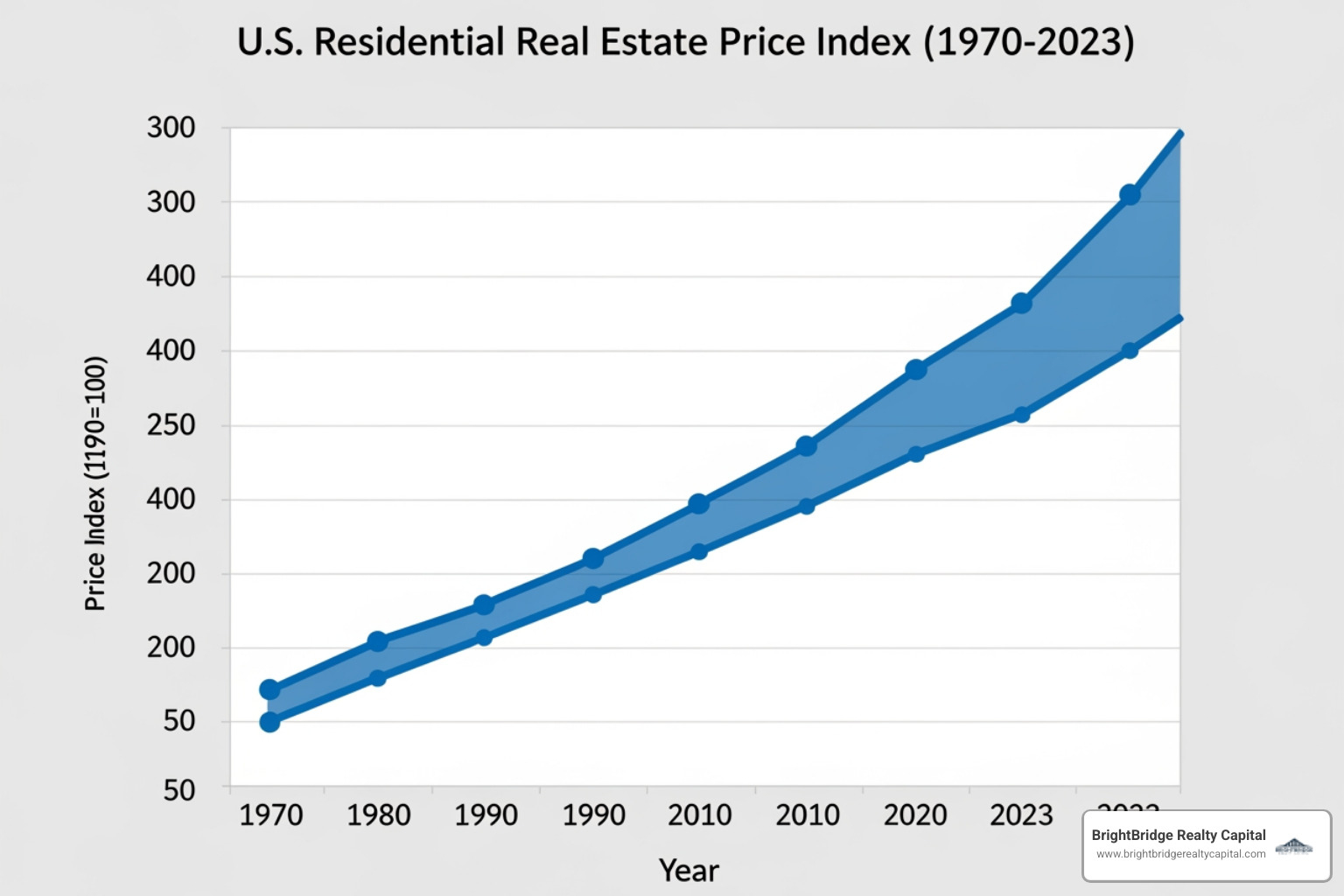
One of the most compelling reasons to invest in long term real estate is its historical tendency to grow in value. This appreciation comes in two forms: market appreciation and forced appreciation. Market appreciation is the value increase driven by external factors like inflation, population growth, and local economic development. For instance, a home bought for around $27,000 in 1970 could be worth over $500,000 today due to decades of market forces. This growth is underpinned by the fundamental principles of scarcity (limited land) and population growth (increasing demand). While market cycles will always introduce periods of volatility, the long-term trajectory for real estate prices has been a steady upward climb. Experts predict that from year-end 2025 through 2030, home prices will continue to rise at or slightly above inflation, for an estimated increase of about 10% to 11%. This makes real estate a powerful inflation hedge.
Forced appreciation, on the other hand, is value you create directly through strategic improvements. This can include cosmetic updates like new paint and flooring, major renovations like a kitchen or bathroom remodel, or even adding square footage or an additional dwelling unit (ADU). By improving a property, you can increase its value beyond the general market trend, creating instant equity. For a deeper dive into historical trends, you can explore Historical Median Sales Price data.
Generating Passive Income Through Rental Cash Flow
Rental income is the lifeblood of a long term real estate investment, providing the passive cash flow that fuels your portfolio. When you acquire and rent out a property, the payments from your tenants are designed to cover all operating expenses, leaving you with a profit. Calculating this profit, or net cash flow, is critical. A simple formula is: Gross Rental Income - Vacancy Loss - Operating Expenses (including mortgage, taxes, insurance, maintenance, property management, and capital expenditures) = Net Cash Flow. For example, a property renting for $2,500/month with total expenses of $2,000/month generates $500 in positive cash flow. This regular income stream provides financial stability and liquidity. Furthermore, rents tend to rise over time, often outpacing inflation. From 2025 through 2030, rents are expected to climb slightly higher than inflation, meaning your passive income grows without any additional effort. With diligent tenant management and smart property selection, the dream of living off rental income in retirement becomes a tangible and achievable goal. For those starting out, understanding the basics is key. Here are some helpful Tips for first-time homebuyers.
The Power of Leverage and Mortgage Paydown
Leverage is the financial superpower that sets real estate apart from many other investments. It is the ability to control a large, expensive asset using a relatively small amount of your own capital. For example, with a $200,000 down payment, you can control a $1 million property, with the bank financing the remaining $800,000. This magnifies your buying power and amplifies your potential returns. If that $1 million property appreciates by 5% ($50,000), your return on your initial $200,000 investment is a staggering 25%, not 5%. This is the magic of leverage.
Simultaneously, as your tenants pay rent, they are indirectly paying down your mortgage principal. This process, known as amortization, means that with each monthly payment, your loan balance decreases and your equity (your ownership stake) increases. This acts as a "forced savings" mechanism, automatically building your wealth in the background. The combination of appreciation and mortgage paydown is a powerful one-two punch for wealth creation in long term real estate.
At BrightBridge Realty Capital, we specialize in providing the quick, flexible funding that makes strategic leverage possible for investors. We understand how a well-structured mortgage is the key to amplifying returns. Understanding your down payment is a crucial first step; learn more about How Much You Need for a Down Payment.
Opening up Significant Tax Advantages
Long term real estate is one of the most tax-advantaged investments available, offering numerous ways to legally reduce your tax burden. As a landlord, you can deduct a wide range of expenses related to owning and operating your property:
- Mortgage Interest Deduction: The interest portion of your mortgage payment is typically fully deductible.
- Property Tax Deduction: State and local property taxes paid on the rental property are deductible.
- Depreciation: This is a powerful non-cash deduction. The IRS allows you to deduct a portion of your property's value (the building, not the land) over 27.5 years for residential real estate. This can create a paper loss that shelters your cash flow from taxes, even when the property is profitable.
- Operating Expenses: All ordinary and necessary costs are deductible, including insurance, repairs, maintenance, property management fees, marketing costs, and professional service fees (accountants, attorneys).
Perhaps the most powerful tax strategy is the 1031 exchange. This provision in the tax code allows you to sell an investment property and defer paying capital gains taxes on the profit, as long as you reinvest the entire proceeds into a new "like-kind" property within a specific timeframe (45 days to identify, 180 days to close). This allows you to continuously grow your portfolio and compound your wealth without the drag of taxes. To fully leverage these benefits, always consult a qualified tax professional and consider forming an LLC for enhanced liability protection.
Strategies for Long-Term Success and Portfolio Growth
Building significant wealth through long term real estate is not a passive accident; it requires a deliberate strategy that adapts and grows with you. By implementing proven methods for acquisition, management, and exit planning, real estate can be transformed from a single asset into a dynamic, wealth-generating machine and one of the most reliable paths to long-term prosperity.

Using Real Estate as a Retirement Plan
Instead of relying solely on traditional retirement accounts like a 401(k) or IRA, you can architect a robust retirement plan using long term real estate. A disciplined strategy of acquiring one or two cash-flowing rental properties per year can build a substantial portfolio over two or three decades. This approach creates a powerful snowball effect. For example, an investor might use the BRRRR method (Buy, Rehab, Rent, Refinance, Repeat). This involves buying an undervalued property, forcing appreciation through renovations, placing a tenant, and then doing a cash-out refinance to pull out the initial capital to reinvest in the next property. This allows for rapid portfolio expansion with minimal new capital.
Over time, these properties appreciate in value while generating ever-increasing monthly rental income. Your tenants are effectively funding your retirement by paying down your mortgages and building your equity. The predictability of rental income, which tends to grow steadily, offers a reliable stream of cash flow that can be far more stable than stock market dividends. By retirement, you could have multiple properties paid off or with very low mortgage balances, allowing you to live comfortably off this passive income stream, potentially retiring years earlier than planned. The 1031 exchange can be used along the way to trade up to larger or better-performing properties, deferring taxes while continuously upgrading your holdings.
The Role of Property Management and Market Cycles
Effective property management is the linchpin of long term real estate success, determining whether your investment is a source of passive income or a stressful second job. You can choose to be a hands-on manager or hire a professional property management company. Self-management can save money but requires significant time and expertise in marketing, tenant screening, maintenance, and legal compliance. For busy professionals or those investing out-of-state, especially in demanding markets like New York, a professional property manager is often a necessity. These companies typically charge 8-12% of the monthly rent and handle everything from finding and vetting tenants to coordinating repairs and even managing evictions, making your investment truly passive.
Understanding market cycles is also key. Real estate moves in predictable phases: recovery, expansion, hyper-supply, and recession. As a long-term investor, the goal is not to perfectly time the market but to understand these waves and act accordingly. The current outlook is promising, with existing home sales expected to increase through 2030. Market downturns, while intimidating, can present incredible buying opportunities for savvy investors with access to capital. Hot markets, conversely, are often a time to hold steady, collect appreciating rents, and build equity. Successful investors recognize these economic patterns and use them to their advantage, buying when others are fearful and holding for the long term.
Planning Your Exit: Refinance, Sell, or Hold
Smart long term real estate investors begin with the end in mind, planning their exit strategy from the very start. While "buy and hold" is the core philosophy, real estate offers remarkable flexibility when it's time to access your accumulated wealth. Your exit strategy is your financial escape hatch. Consider these powerful options:
- Cash-Out Refinance: This strategy allows you to pull a lump sum of equity out of your property, often tax-free, without selling it. You can use this capital to fund another investment, pay for a major expense, or simply enjoy the cash while the original asset continues to produce income and appreciate.
- Selling for Profit: After years of appreciation and mortgage paydown, selling the property can provide a substantial capital windfall. This can be used to diversify into other assets, fund your retirement, or achieve a major life goal. Be mindful of capital gains taxes and consult with a professional to plan accordingly.
- Seller Financing: Instead of a traditional sale, you can act as the bank for your buyer. You receive a down payment and then collect monthly principal and interest payments over a set term. This can create a new stream of passive income and may allow you to command a higher sale price.
- Holding and Passing to Heirs: Real estate is a powerful tool for creating generational wealth. Upon your passing, your heirs can inherit the property with a "stepped-up basis," meaning the property's cost basis is reset to its fair market value at the time of death. This can eliminate decades of taxable capital gains, allowing them to sell the property tax-free or continue holding it.
At BrightBridge Realty Capital, we help investors in New York execute these complex strategies. Whether you're refinancing to access equity for your next deal or securing your very first loan, our quick, flexible funding makes it happen. Our direct lending approach means we can close deals fast—often within a week. Each exit option has distinct financial and tax implications, so it's crucial to consult with your financial and legal advisors to chart the best path for your unique situation.
Real Estate Compared to Other Long-Term Investment Approaches
When constructing a comprehensive financial plan for your future, it is essential to understand how long term real estate compares and contrasts with other major investment classes like stocks and bonds. Each asset has its own unique risk-and-return profile, and a well-rounded portfolio often includes a mix. However, real estate offers a unique combination of income, growth, utility, and tax benefits that many investors find uniquely appealing.
Here is a quick comparison:
| Feature | Long Term Real Estate (Direct Ownership) | Stocks | Bonds | REITs |
|---|---|---|---|---|
| Liquidity | Low (can take months to sell) | High (can sell quickly) | High (can sell quickly) | High (can sell quickly) |
| Leverage | High (mortgages amplify returns) | Low (margin trading is riskier) | Low | Indirect (REIT uses leverage) |
| Control | High (direct management, autonomy) | Low (no direct control over company) | None (lender to entity) | Low (professional management) |
| Volatility | Moderate (slower to react to market changes) | High (can fluctuate rapidly) | Low (more stable, less growth) | Moderate (influenced by stock market & real estate) |
| Tax Benefits | Significant (depreciation, 1031 exchange) | Varies (capital gains, dividends) | Varies (interest income) | Some (pass-through income, but dividends taxed) |
Direct Ownership: Control and Tangibility
Owning a piece of long term real estate provides a profound sense of control and tangibility that is absent in financial markets. You can physically see, touch, and improve your asset. This autonomy allows you to directly influence its value through renovations and its income through effective management. This hands-on control is a significant draw for many investors. Historically, real estate has provided solid, stable returns and serves as a tangible asset with inherent, functional value—people will always need a place to live and work. Its performance often moves independently of the stock market, making it an excellent tool for diversification within a larger portfolio. The primary trade-off is liquidity; selling a property is a complex transaction that can take months. However, this illiquidity can be a hidden advantage, as it discourages emotional, panic-driven selling during market downturns and forces a disciplined, long-term perspective.
Exploring Alternative Real Estate Investment Approaches
For those who desire the benefits of long term real estate—such as income and appreciation—without the demands of direct ownership, several alternative approaches offer passive investing opportunities. These are ideal for investors seeking diversification and less direct involvement.
- Real Estate Investment Trusts (REITs): These are publicly-traded companies that own, operate, or finance large portfolios of income-producing real estate. By buying shares of a REIT, you can invest in a diversified collection of properties (e.g., apartment complexes, office buildings, shopping malls) as easily as buying a stock. REITs are legally required to pay out at least 90% of their taxable income as dividends, making them a popular choice for passive income. There are different types, including equity REITs (own properties) and mortgage REITs (own debt), and they can be publicly traded or private.
- Real Estate Investment Groups (REIGs) or Syndications: In a syndication, a sponsor or general partner pools money from multiple passive investors (limited partners) to purchase a large asset that would be too expensive for any single individual, such as a large apartment building or commercial property. The sponsor manages the entire project, from acquisition to operation to sale, while the investors share in the profits. This provides access to institutional-grade real estate with professional management.
- Online Real Estate Crowdfunding Platforms: These digital platforms connect real estate developers and sponsors with a broad base of individual investors. They allow you to invest smaller amounts of capital (sometimes as little as a few hundred dollars) across various projects, from single-family home flips to large-scale commercial developments. These can offer attractive returns but often come with higher risk and illiquidity. Many of the best opportunities on these platforms are restricted to "accredited investors," who meet specific income or net worth requirements.
For more details, you can review this Overview of alternative real estate investment approaches. These options provide excellent ways to add real estate exposure to your portfolio, fitting a wide range of capital levels and risk tolerances.
Navigating Future Trends and Market Risks
The landscape of long term real estate is in constant motion, shaped by economic forces, technological innovation, and societal shifts. By staying informed about future trends and proactively preparing for potential risks, savvy investors can not only protect their portfolios but also position themselves to capitalize on emerging opportunities for continued success.
Housing Market Predictions and Societal Shifts
Looking toward the end of the decade, several key trends are poised to influence the housing market:
- Prices and Rents: The consensus forecast suggests a continued, steady rise. From year-end 2025 through 2030, home prices are predicted to increase by an estimated 10% to 11%, tracking at or just above the rate of inflation. Rents are expected to follow a similar trajectory, possibly rising slightly faster than inflation, which bodes well for landlords' cash flow.
- Interest Rates: While volatile, mortgage rates are expected to stabilize in the 6% to 7% range, a level that will continue to influence affordability and moderate price growth. Short-term lending rates, which impact financing for investors, could see a decline in late 2025 or early 2026, potentially creating favorable borrowing conditions.
- The Persistent Housing Shortage: The United States faces a significant housing deficit, estimated to be several million units. This structural shortage, particularly acute in desirable markets like New York, is expected to persist through the 2020s, providing a strong tailwind for rental demand and property values.
- The Impact of Artificial Intelligence (AI): AI is set to revolutionize the industry. Projections suggest AI could automate 30% to 50% of work hours by 2030. In real estate, this will manifest as AI-powered market analysis, automated property management tasks, and enhanced tenant communication. The concurrent rise of remote work, enabled by technology, will continue to reshape housing demand, potentially favoring suburban and secondary markets.
- Evolving Demographics: The housing needs of tomorrow are being shaped by today's demographic trends. Evolving immigration policies, fluctuating birth rates, and the significant rise of single-person households are all creating demand for different types of housing. Investors who understand these shifts can better position their portfolios to meet future needs.
- The Climbing Cost of Homeownership: The total cost of owning a home is rising sharply. Beyond the mortgage, expenses for taxes, insurance, and maintenance now average over $1,700 per month nationally. This affordability crisis makes renting a more attractive and necessary option for a larger segment of the population, ensuring rental demand remains high.
Mitigating Risks in Long-Term Real Estate Investing
While long term real estate offers tremendous potential, it is not without risk. Acknowledging and planning for these challenges is the hallmark of a sophisticated investor.
- Market Downturns: Real estate values can and do decline. The key to surviving these cycles is a long-term perspective and adequate cash reserves. History shows that real estate values tend to recover and surpass previous peaks over time. Avoid over-leveraging to ensure you can hold through a downturn without being forced to sell.
- Vacancies: An empty unit is a liability, not an asset. Combat vacancy risk with a multi-pronged approach: set competitive rents, maintain your property to a high standard, market effectively across multiple platforms, and implement a rigorous tenant screening process. A professional property manager can be invaluable in minimizing vacancy periods.
- Unexpected Repairs and Capital Expenditures: Roofs leak, HVAC systems fail, and appliances break. A dedicated reserve fund for maintenance and surprise expenses is non-negotiable. A common rule of thumb is to budget 1-2% of the property's value annually for these costs. Differentiate between routine maintenance and large capital expenditures (CapEx) and budget for both.
- Problematic Tenants: Difficult tenants can cause financial and emotional distress. The best defense is a thorough screening process that includes credit checks, criminal background checks, income and employment verification, and references from previous landlords. A clear, legally sound lease agreement is also essential.
- Insurance and Liability: Inadequate insurance coverage can wipe out your entire investment. Secure a comprehensive landlord policy that covers property damage and liability. Consider an additional umbrella liability policy for extra protection. Review your policies annually, as costs and coverage needs can change.
- Legal and Regulatory Compliance: The legal landscape for landlords is complex and constantly changing. Ensure strict compliance with all federal, state, and local laws, including the Fair Housing Act, rent control ordinances, and eviction procedures. Forming an LLC for each property can segregate liability and protect your personal assets.
It is illegal for lenders to discriminate. If you suspect discrimination, you can file a report with the Consumer Financial Protection Bureau or HUD. Learn more about Mortgage Discrimination.
At BrightBridge Realty Capital, we help investors navigate these challenges. By understanding the risks and implementing proactive mitigation strategies, you can invest with greater confidence and security.
Frequently Asked Questions about Long-Term Real Estate
How much capital do I need to start investing in long-term real estate?
The capital required for long term real estate investing varies significantly based on your chosen strategy and market. For direct property purchases, the largest upfront cost is the down payment. Investor loans typically require a down payment of 20% to 25% of the purchase price. So, for a $300,000 property, you would need $60,000 to $75,000. Additionally, you must budget for closing costs, which can range from 2% to 5% of the purchase price. In a high-cost market like New York, closing costs can be as high as 2.47%, covering expenses like loan origination fees, appraisal fees, title insurance, and attorney fees. Therefore, a realistic starting budget for a single-family rental is often in the $25,000 to $100,000+ range. For multifamily properties, the entry point is typically much higher, often starting at $150,000 or more for the initial investment.
Alternative approaches offer lower barriers to entry. You can invest in publicly traded Real Estate Investment Trusts (REITs) for the price of a single share, often under $100. Real estate mutual funds or ETFs may have minimum investments ranging from a few hundred to a few thousand dollars. Real estate crowdfunding platforms have a wider range of minimums, typically from $500 to $25,000, offering a way to participate in larger deals without the full cost of direct ownership.
At BrightBridge Realty Capital, our flexible lending solutions can help you structure your financing to optimize your capital outlay, potentially reducing the upfront cash you need to get started.
Is long-term real estate a guaranteed safe investment?
No investment is 100% guaranteed or completely free of risk, and long term real estate is no exception. However, it has historically proven to be one of the most stable and reliable wealth-building asset classes over the long run. Its relative safety stems from several factors. Real estate has intrinsic value—people always need a place to live and work, creating a baseline of demand. It is a tangible, physical asset that you can control, and it serves as an excellent hedge against inflation, as both property values and rents tend to rise with the cost of living.
While risks like market downturns (such as the 2008 financial crisis), unexpected vacancies, and major repairs exist, they become far more manageable with a well-diversified portfolio and a long-term perspective measured in decades, not months. The key to making real estate a relatively secure investment lies in thorough due diligence, conservative financing, adequate cash reserves, and strategic planning. Patience and a long time horizon are your greatest allies in mitigating risk and building lasting wealth.
How passive is investing in rental properties?
The level of passivity in rental property investing is entirely up to you and can be tailored to your lifestyle and goals. It exists on a spectrum:
Active (Self-Management): At one end, self-managing your properties is an active role. This requires you to be the point person for everything: marketing the unit, screening tenants, drafting leases, collecting rent, and handling late-night maintenance calls. For some, this hands-on approach is rewarding and saves on management fees. For others, it's a demanding second job that can require 5-10 hours per month per property, with significant spikes during tenant turnovers.
Passive (Professional Management): For a much more passive experience, you can hire a professional property management company. They handle all the day-to-day operations for a fee, typically 8-12% of the monthly rent. They find tenants, manage repairs, handle tenant communication, and ensure legal compliance, allowing you to simply review your monthly statement and collect the net income. This is an invaluable service for investors who value their time, live far from their properties, or operate in a complex market like New York.
Truly Passive (Indirect Investing): For the most hands-off options, consider investing in Real Estate Investment Groups (REIGs), syndications, or Real Estate Investment Trusts (REITs). In these models, your involvement is limited to providing capital and monitoring your investment's performance while a team of professionals handles every aspect of the real estate. The beauty of long term real estate is this flexibility to choose the level of involvement that best fits your financial goals and personal preferences.
Conclusion
Building substantial wealth through long term real estate is a powerful and proven strategy. It is a journey rooted in the fundamental pillars of appreciation, cash flow, leverage, tax advantages, and equity paydown. These elements do not work in isolation; they synergize over time, transforming a single property into a dynamic investment that grows in value, generates consistent income, and systematically builds your net worth. Unlike the often-unpredictable daily fluctuations of the stock market, real estate rewards patience, diligence, and a long-term perspective.
The path to financial freedom through real estate is not a get-rich-quick scheme. It requires strategy, education, and commitment. However, it offers a tangible, controllable, and time-tested way to achieve your most ambitious financial goals, whether that's securing a comfortable early retirement, funding your children's education, or building a lasting family legacy. With the right knowledge and support, you can confidently navigate market cycles, mitigate risks, and turn your financial aspirations into reality.
At BrightBridge Realty Capital, we understand that strategic financing is the critical first step on this journey. Our fast closings, flexible lending solutions, and deep market expertise are designed specifically for investors who see the big picture and are ready to build for the future. Your journey to financial security can begin today, with a single property and a long-term vision.