Why Investors Should Evaluate Neighborhood Trends Before Buying
Summary
A great property can fail in the wrong neighborhood. Smart investors study trends first. BrightBridge Realty Capital helps you choose markets that perform.
Most investors get excited about the property itself — the photos, the price, the rehab potential, the rent numbers. But the property is only half the story. The neighborhood it sits in often matters more than anything inside the four walls. A great house in the wrong area can drain your cash flow, choke a flip, or trap your capital longer than expected. The investors who grow consistently are the ones who pay close attention to neighborhood trends before they ever make an offer.
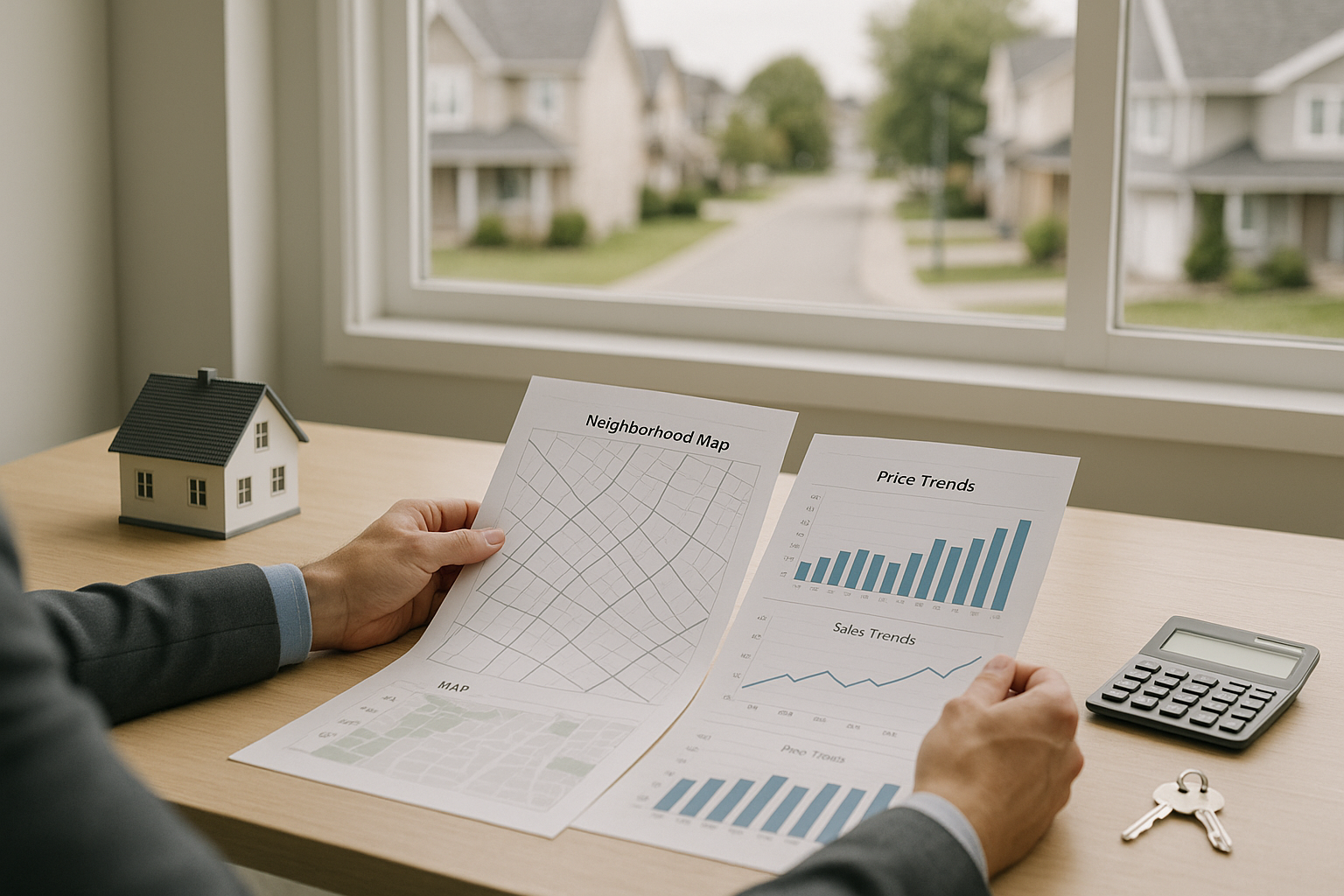
Neighborhoods move in patterns. Some are improving, some are declining, some are stable, and some are unpredictable. When you understand the direction of the neighborhood, you understand the direction of your investment. You’re not guessing anymore. You’re reading the signs that tell you whether this is a smart place to put your money.
One of the biggest things experienced investors look at is demand. Are people moving in or moving out? Are there new employers nearby? Are new developments being built? Are rents rising or staying flat? A neighborhood with rising demand gives you built-in protection because more people want to live there. Even if the property isn’t perfect, the demand creates stability.
Investors also watch for property condition trends. If a neighborhood is full of active renovations, that’s usually a good sign. It means investors see potential, owners are improving homes, and values are likely heading upward. On the other hand, if the majority of homes look neglected or distressed, it may take longer for your investment to perform the way you hope.
Crime trends matter too. You don’t need a perfect area, but you want to understand whether crime is trending up, down, or staying stable. Tenants care about this. Appraisers care about this. Buyers care about this. A slight improvement in neighborhood safety can make a huge difference in property value over time.
Another thing seasoned investors pay attention to is retail growth. If new restaurants, grocery stores, and national brands are moving in, the neighborhood is usually improving. Businesses follow demand. They invest in areas where consumers are spending, and that momentum almost always boosts property values.
School zones can make or break rental demand as well. Even renters without kids pay attention because good school areas tend to be cleaner, quieter, and more stable. They attract long-term tenants — the kind of tenants every investor wants.
BrightBridge Realty Capital often sees investors run into trouble not because the property was bad, but because they didn’t fully understand the neighborhood. They bought a strong house on a weak street. The rehab was great, but the resale demand wasn’t. The cash flow on paper looked good, but actual tenant quality was lower than expected. These situations are avoidable when you look beyond the property and examine the environment around it.
The best deals aren’t just about numbers — they’re about context. A solid neighborhood makes average properties perform well. A struggling neighborhood makes great properties struggle. When you evaluate the trends early, you protect yourself, your capital, and your long-term plan.